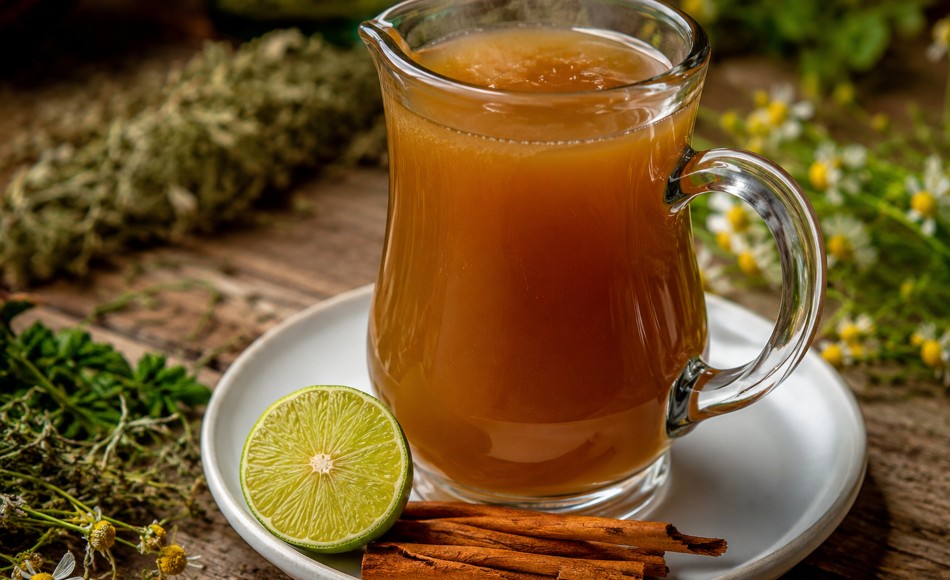
Emoliente is a traditional Peruvian drink made by simmering toasted barley, flaxseed, medicinal herbs, and fruit. It is primarily served hot and is known for its lightly thick texture, herbal aroma, and balance of toasted, sweet, and citrus flavors.
In Lima and other Peruvian cities, emoliente vendors set up their carts early in the morning and during cold evenings. Each vendor keeps a particular blend of herbs and additions, but the most representative base includes barley, flaxseed, horsetail, lemongrass, apple, pineapple, and lime.
More than a simple herbal infusion, emoliente is part of Peru’s urban food culture. People drink it before starting the day, on their way home from work, or as a comforting beverage during winter. It is traditionally prepared in large pots and finished to order with citrus juice and sweetener.
Print
Peruvian Emoliente
- Prep Time: 15 minutes
- Cook Time: 35 minutes
- Total Time: 50 minutes
- Yield: 10
- Category: Beverage
- Cuisine: Peruvian
Ingredients
- 100 g toasted barley (3/4 cup)
- 30 g flax seeds (3 tablespoons)
- 20 g dried horsetail
- 10 g dried lemon verbena
- 5 g dried boldo
- 1 medium apple, quartered
- Peel and core of 1/2 medium pineapple, well washed
- 1 cinnamon stick
- 3 cloves
- 3 liters water (12 cups)
- 120 ml freshly squeezed lemon juice (1/2 cup)
- 150 g brown sugar
- 60 g edible aloe vera gel, cut into small cubes (1/2 cup), optional
Preparation
- Wash and organize the ingredients, rinse the barley and flax seeds under running water. Wash the apple and pineapple very well, especially the peel, which you will use during cooking. Check the dried herbs and remove any excessively tough stems or visible impurities.
- Begin cooking by placing the barley, flaxseed, apple, pineapple peel and core, cinnamon, and cloves in a large pot. Add 3 liters of water and bring the mixture to a boil over medium-high heat.
- Extract the flavors, once the liquid begins to boil, reduce the heat and simmer for 25 minutes with the pot partially covered. Stir occasionally to prevent the flaxseed from sticking to the bottom and allow the barley to develop its toasted flavor.
- Add the herbs, orsetail, lemon verbena, and boldo. Cook over low heat for another 8 minutes. Avoid overcooking, as some herbs can develop an excessively bitter taste.
- Strain and sweeten, remove the pot from the heat and pass the beverage through a fine-mesh sieve, gently pressing the fruit to extract its juices. Add the brown sugar while the drink is still hot and stir until completely dissolved.
- Fill the glass and serve, adding the lemon juice shortly before serving and mixing well. If using aloe vera, place a few cubes in each glass. Serve the emollient warm, ensuring it retains a slightly creamy texture from the flaxseed.
Helpful Tips
- Lightly toast the barley in a dry skillet when it is not already roasted; it should smell nutty without burning.
- Add the herbs during the final minutes to preserve their aroma and prevent excessive bitterness.
- Squeeze the lime immediately before serving and do not boil the juice, as prolonged heat reduces its freshness.
- Stir the beverage before pouring because the flaxseed may settle and thicken near the bottom.
- Use only properly prepared, food-grade aloe vera and completely remove the plant’s yellow latex.
- Adjust the sugar after adding the lime because acidity changes how sweetness is perceived.
Traditional Variations
The herbal mixture varies according to the vendor and region. Some preparations include plantain leaf, cat’s claw, alfalfa, Andean mint, or couch grass, while others use a simpler blend of barley, flaxseed, horsetail, and lemongrass.
Quince may replace apple or be used alongside it. Pineapple can be included through its peel, core, or small pieces of flesh.
Street vendors may offer additions such as aloe vera, maca, honey, pollen, or herbal extracts. These ingredients are mixed into individual servings and do not replace the traditional barley-and-flaxseed base.
Traditional Serving Style
Serve emoliente very hot in heat-resistant glasses. Mix the infusion with lime juice and sugar immediately before serving so it retains its fresh aroma and proper temperature.
It is traditionally enjoyed while standing near an emoliente cart, especially early in the morning or on cold evenings. It can also be prepared at home and served after breakfast or as a comforting drink at the end of the day.
Recommended Pairings
- Peruvian bread with fresh cheese
- Bread with avocado
- Peruvian tamales
- Humitas
- Plain salted crackers
- Emoliente is also commonly enjoyed on its own.
Did You Know?
The word emoliente is associated with the idea of softening or soothing. In Peru, the term evolved from describing a general herbal preparation into the name of a distinctive street beverage with its own ingredients, techniques, and customs.
Emoliente carts are part of the urban landscape of Lima and many other Peruvian cities. Their large metal containers, bottles of extracts, and made-to-order preparation make the service itself a recognizable part of everyday Peruvian life.
Frequently Asked Questions
The most recognizable base combines toasted barley, flaxseed, horsetail, lemongrass, fruit, water, lime juice, and sugar. The exact formula varies between vendors and families, but barley and flaxseed are essential for the drink’s toasted flavor and characteristic texture.
Flaxseeds release natural mucilage as they cook, creating a smooth, lightly viscous consistency. This texture is normal and traditional. When the drink becomes too thick, add a little hot water; if it seems too thin, let it rest briefly before serving.
Yes, although the most representative traditional presentation is hot. You can chill it and serve it over ice during warm weather, adding the lime juice only after the beverage has cooled. Its texture will become slightly thicker because of the flaxseed.
Store the strained beverage in a covered container in the refrigerator for up to 2 days. Add lime juice only to the portion you plan to drink. Reheat it gently over low heat and stir well before serving.
Not necessarily. Some herbs may interact with medications or be unsuitable during pregnancy, breastfeeding, or certain medical conditions. In those situations, prepare a simpler version with barley, flaxseed, fruit, and spices, and consult a qualified healthcare professional before adding medicinal plants.