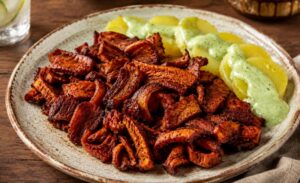
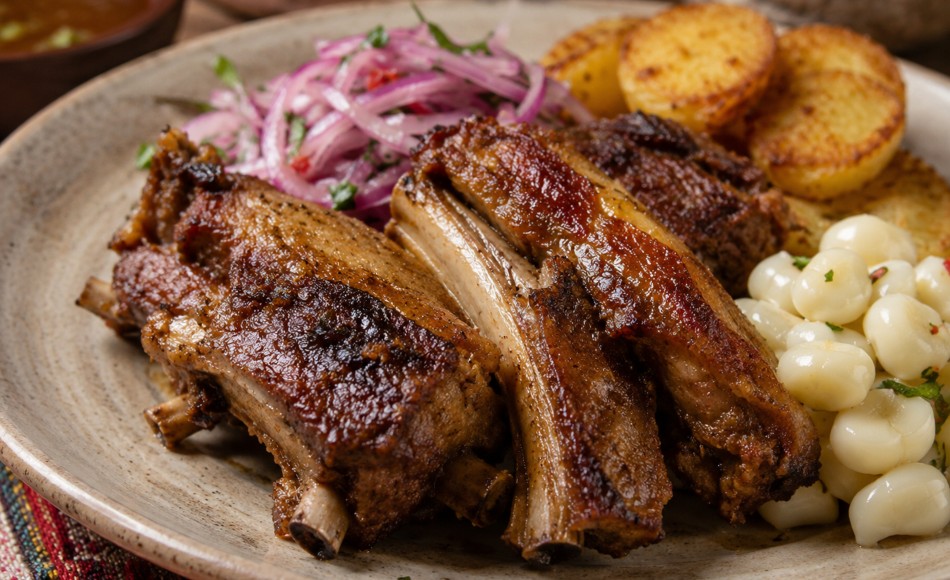
Golden-browned mutton ribs are a homestyle dish from the Peruvian highlands. The ribs are simmered until tender, then pan-seared to develop a deeply browned, flavorful crust without covering the meat with a heavy sauce.
This dish is common at Sunday family lunches in the central and southern Peruvian highlands, where mutton (adult sheep, with a stronger flavor than lamb) has been raised by families since colonial times. It is often prepared at fairs, patron saint festivals, and family gatherings, always paired with simple sides that let the meat’s flavor stand out.
Print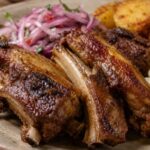
Peruvian Golden Browned Mutton Ribs
- Prep Time: 15 minutes
- Cook Time: 1 hour 10 minutes
- Total Time: 1 hour 25 minutes
- Yield: 4 servings
- Category: Main Course
- Cuisine: Peruvian
Description
Tender mutton ribs simmered with garlic and cumin, then pan-seared until golden brown.
Ingredients
- 1 kg mutton ribs, cut into portions (2.2 lb)
- 1.5 liters water (6 cups)
- 20 g minced garlic (1 tablespoon)
- 5 g ground cumin (1 teaspoon)
- 30 ml vegetable oil (2 tablespoons)
- Salt to taste
- Ground black pepper to taste
Preparation
- Season the ribs, with the garlic, cumin, salt, and black pepper. Let them rest for 15 minutes so the seasoning is absorbed.
- Simmer until tender, place the ribs in a pot, cover with the water, and simmer over medium heat for 45 to 55 minutes, or until tender. Drain and let the surface dry completely before searing.
- Sear the ribs, heat the oil in a wide skillet. Working in batches, brown the ribs for 3 to 4 minutes per side until an even, golden crust forms.
- Serve right away, remove from the heat and serve immediately with golden potatoes, cooked hominy, or a red onion salad, while the crust is still crisp.
Chef’s Tips
- Dry the ribs thoroughly before browning to reduce splattering and get a more even crust.
- Do not crowd the skillet, or the meat will steam instead of browning.
- If the mutton has a very strong flavor, a short garlic-and-cumin marinade beforehand helps mellow it out.
- Keep the simmer gentle; boiling too hard can toughen the meat instead of tenderizing it.
Traditional Variations
In some highland areas, mutton is swapped for lamb, giving the dish a milder flavor. Other versions add a splash of chicha de jora (fermented corn beer) to the simmering water, adding a light sweetness and fermented aroma to the meat.
Some families finish the ribs over open coals instead of a skillet after simmering, giving them the smoky flavor typical of roadside stands and weekend fairs.
How to Serve
Serve as a main course, hot and freshly seared, on a large plate with its sides. It is common to find these ribs at Sunday highland fairs, sold by the portion with hominy and onion salad on the side.
Recommended Pairings
- Golden or boiled potatoes
- Hominy (cooked dried corn)
- Red onion and rocoto salad
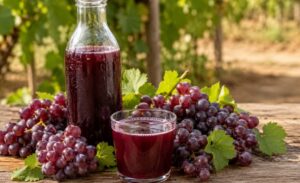
- Chicha morada or chicha de jora
Did You Know?
Andean cooking distinguishes between “cordero” (young sheep, lamb) and “carnero” (adult sheep, mutton), the latter having a stronger flavor and firmer texture. Mutton dishes typically call for longer cooking times precisely to tenderize that fiber, a technique passed down through generations in highland Peruvian family kitchens.
Frequently Asked Questions
Use mutton ribs cut into portions that include both meat and bone.
The initial cooking tenderizes the firm meat, while the final sear creates the characteristic golden crust.
Golden potatoes, cooked hominy, or Peruvian salsa criolla are traditional choices.