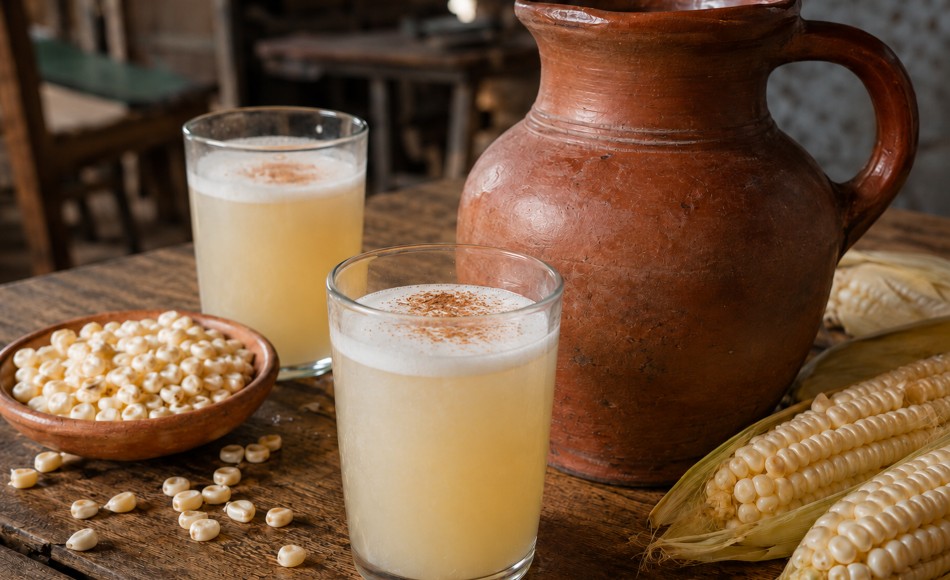
White chicha is a traditional fermented corn beverage known in some Andean areas as yuraq aqha or yurakk akkha. Unlike darker and sweeter chicha de jora, it has a pale, slightly cloudy appearance and a mild grain flavor with gentle acidity.
The most representative traditional version is made only from corn and water, without sugar or chancaca. In La Libertad, it is also called mild chicha or mellicera and is fermented for two or three days after the liquid is separated from the corn solids.
It is served fresh in picanterías, chicherías, community festivals, and regional meals. It can also be used as a cooking ingredient to provide acidity in northern Peruvian fish stews, marinades, and braised dishes. Its alcohol content varies according to fermentation time and temperature.
Print
Peruvian White Chicha
- Prep Time: 30 minutes
- Cook Time: 3 hours
- Total Time: 59 hours 30 minutes
- Yield: 20
- Category: Beverage
- Cuisine: Peruvian
Ingredients
- 1 kg of lightly cracked, dried white corn
- 8 liters of water
- 500 ml of active white chicha (optional, as a starter)
Preparation
- Wash and soak the corn, checking the kernels to remove any impurities and rinsing them several times. Place them in a large container, cover them with 3 liters of water, and let them soak for 8 hours or overnight to hydrate and soften.
- Slowly cook, the corn and soaking water in a large pot and add the remaining 5 liters of water. Bring to a boil, reduce heat, and simmer for 3 to 4 hours, stirring occasionally. The kernels should be very soft, and the liquid should have a whitish, slightly thickened appearance.
- Strain the mixture, passing the hot contents of the pot through a clean cloth, a filter bag, or a fine sieve. Press the bran with a spoon to extract the liquid, but avoid including too much solids. You should obtain approximately 5 liters of cooked chicha.
- Cool completely, allowing the liquid to reach room temperature in a clean container. Do not start fermentation while it is still hot. If using active chicha as a starter, add it once the beverage has cooled and mix with a sanitized utensil.
- Ferment the chicha, by transferring it to a clay pot, glass container, or food-grade fermenter, leaving at least 15% headspace. Cover the opening with a clean cloth or use a lid with a fermentation valve. Leave it in a well-ventilated area, protected from sunlight, for 2 to 3 days. This duration corresponds to the documented traditional method for white or mild chicha.
- Check and refrigerate, tasting the beverage daily with a clean utensil. It will be ready when it has a mild acidity, a clean aroma of fermented corn, and small bubbles. Strain it again if you wish, transfer it to sturdy bottles without filling them to the brim, and refrigerate it to slow down fermentation.
Helpful Tips
- Use clean, dry corn with no insects, musty smell, or signs of mold.
- Thoroughly wash and sanitize every pot, cloth, bottle, and utensil.
- Do not add sugar or chancaca when preparing the documented traditional white version.
- Never tightly seal the beverage during active fermentation because trapped gas can increase pressure.
- In warm weather, begin tasting it after the first 24 hours because fermentation may advance quickly.
- Discard the entire batch if you notice mold, pink or green discoloration, a slimy texture, or a rotten odor.
Traditional Variations
In some Andean regions, the name white chicha is applied to fermented drinks that combine corn with quinoa, fava beans, or other grains. This regional diversity means that there is no single identical formula throughout Peru.
Cusco and Apurímac have pale chichas enriched with quinoa and spices. However, the white or mild chicha documented in La Libertad is made only from corn, without sugar or chancaca.
Fermentation time also varies by local custom. Young chicha retains more natural sweetness and less acidity, while a longer fermentation creates a stronger taste and higher alcohol content.
Traditional Serving Style
Serve white chicha cool but not excessively cold in glasses, pitchers, drinking gourds, or clay cups. Stir it gently before pouring when natural sediment has settled at the bottom.
Its traditional appearance is pale and slightly cloudy. It may accompany rich, seasoned meals or be added in small amounts to dishes such as Piura-style fish stew, where white chicha contributes acidity.
Recommended Pairings
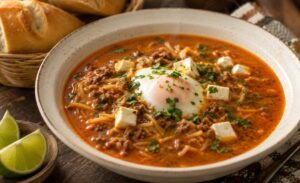
- Peruvian fish stew
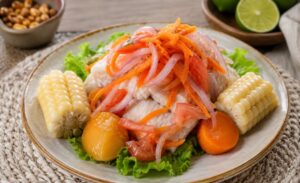
- Northern-style ceviche
- Goat stew with beans
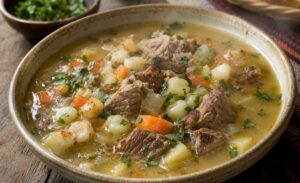
- Peruvian meat stews
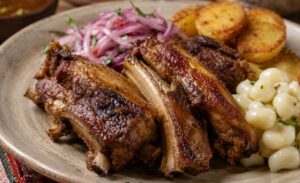
- Fried pork
- Toasted Andean corn
- Picantería dishes and regional stews
Did You Know?
In La Libertad, white chicha has also been called mellicera because of an old popular belief that women who drank it might conceive twins. This name belongs to the folklore surrounding the beverage and does not describe a scientifically established effect.
Fermented corn drinks have a long history in Andean cultures. In addition to providing refreshment, they have accompanied celebrations, communal work, social exchanges, and regional meals.
Frequently Asked Questions
Yes. Fermentation produces a variable amount of alcohol. Its strength depends on the corn, ambient temperature, and fermentation time. Young chicha is generally milder, while extended fermentation increases acidity and usually raises its alcohol content.
The white or mild version documented in La Libertad is prepared only from corn and contains no sugar or chancaca. Its slight initial sweetness comes from compounds naturally extracted from the grain during cooking. Other regional versions may include sweeteners.
No. Traditional fermentation can begin spontaneously through microorganisms present in the environment and vessel. A small quantity of active chicha accelerates acidification, but it should only be used when the previous batch is clean and in good condition.
Normal fermentation may produce small bubbles, light foam, sediment, and a clean, tart grain aroma. Fuzzy mold, unusual colors, excessive sliminess, and rotten odors are not normal. Discard the entire batch if any of these signs appear.
Once it reaches the desired flavor, refrigerate it and consume it preferably within 3 to 5 days. Open bottles carefully because fermentation may continue slowly and produce gas even under refrigeration.