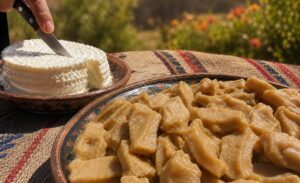
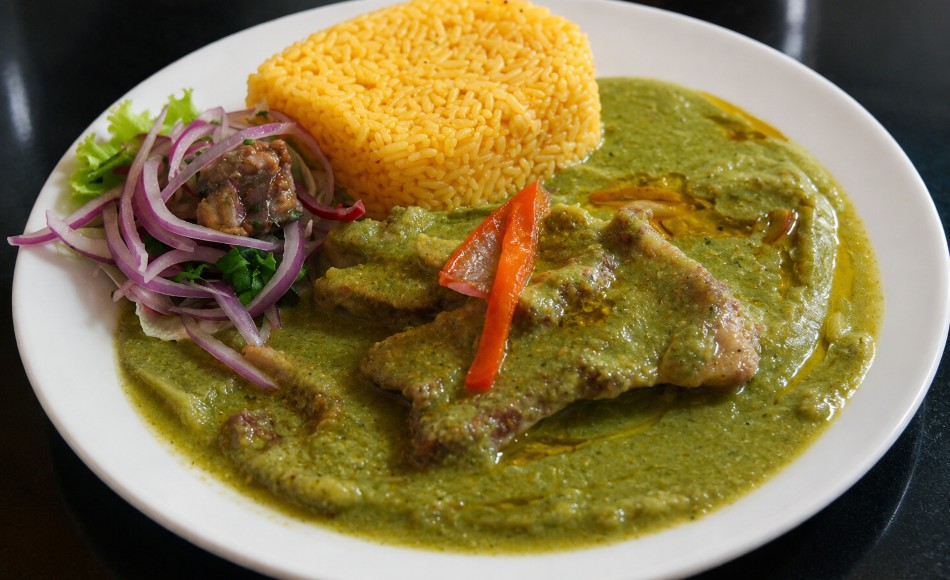
Piuran espesado is a thick, comforting stew from northern Peru made with fresh ground corn, cilantro, squash, peppers, and meat. Its creamy texture comes from blended tender corn, which slowly cooks in a savory broth until it becomes rich and full-bodied without losing its home-style character.
In Piura, traditional versions often include beef or pork, sarandaja beans or other local beans, boiled cassava, and fresh salsa criolla. It belongs to the northern Peruvian tradition of hearty spoon dishes, where corn, cilantro, and peppers create a bold and distinctly regional flavor base.
Print
Peruvian Piuran Espesado
- Prep Time: 30 minutes
- Cook Time: 1 hour 55 minutes
- Total Time: 2 hours 25 minutes
- Yield: 6
- Category: Main Course
- Cuisine: Peruvian
Ingredients
- 800 g bone-in beef, cut into large pieces
- 2 liters water (8 cups)
- 10 g salt (1 ½ teaspoons), divided
- 4 g ground black pepper (1 ½ teaspoons)
- 5 g ground cumin (1 ½ teaspoons)
- 45 ml vegetable oil (3 tablespoons)
- 250 g red onion, finely chopped (2 medium onions)
- 25 g garlic paste (2 tablespoons)
- 45 g ají panca paste (3 tablespoons)
- 40 g fresh ají amarillo, seeded and cut into strips (2 medium peppers)
- 700 g fresh corn kernels (5 cups)
- 120 g fresh cilantro (1 packed cup)
- 180 g grated kabocha squash or loche squash (1 ½ cups)
- 250 g cooked sarandaja beans or cooked canary beans (1 ½ cups)
- 300 g cassava, peeled and cut into chunks (2 cups)
- 80 g scallions, chopped (1 cup)
- 1 bay leaf
- 5 g ground annatto (1 teaspoon), optional
For the salsa criolla
- 150 g red onion, thinly sliced (1 medium onion)
- 30 g fresh ají amarillo, cut into thin strips (1 medium pepper)
- 45 ml fresh lime juice (3 tablespoons)
- 15 ml vegetable oil (1 tablespoon)
- 3 g salt (½ teaspoon)
- 10 g fresh cilantro, chopped (2 tablespoons)
Preparation
- Cook the beef, place the beef in a large pot with the water, 5 g of salt, black pepper, cumin, and bay leaf. Bring it to a boil, skim off any foam, then cover and cook over medium-low heat for 1 hour and 15 minutes, until the meat is tender. Remove the beef, strain the broth, and keep it hot.
- Blend the corn mixture, blend the corn kernels with the cilantro and 480 ml of hot broth (2 cups) until you have a slightly textured cream. Do not blend it completely smooth; the stew should retain the flavor and feel of fresh corn.
- Make the seasoning base, heat the oil in a wide pot and cook the onion for 5 minutes until soft. Add the garlic paste, ají panca paste, annatto if using, and ají amarillo strips. Cook for 2 minutes, stirring so the pepper mixture becomes fragrant without sticking.
- Build the stew, add the blended corn mixture to the seasoning base and gradually pour in the remaining broth, stirring constantly. Add the grated squash, scallions, sarandaja beans, and cassava. Cook over medium-low heat for 20 to 25 minutes, until the corn thickens the broth and the cassava is tender.
- Add the beef, return the beef to the pot, taste, and adjust the salt. Cook for 10 more minutes over low heat, stirring gently so the corn does not stick to the bottom. The finished texture should be thick and creamy, but still loose enough to serve in a deep bowl.
- Make the salsa criolla and serve, combine the onion, ají amarillo, lime juice, oil, salt, and cilantro. Serve the espesado very hot with beef, cassava, and beans, then add a portion of fresh salsa criolla on the side.
Chef’s tips
- Use tender, fresh corn because it provides both the signature flavor and natural thickening power.
- Stir frequently after adding the blended corn, since this stew thickens quickly and can stick to the bottom.
- When the stew becomes too thick, add hot broth a little at a time until it returns to a creamy consistency.
- Choose bone-in beef for a fuller, more savory broth.
- Add salsa criolla only at serving time so it stays bright and fresh against the creamy corn stew.
Traditional variations
Northern Peru has versions of espesado made with beef, pork, chicken, or fish. Some recipes use loche squash, while others use kabocha squash depending on local availability. Sarandaja beans, fresh beans, and cassava may also vary by household. The traditional foundation remains the same: ground corn, cilantro, peppers, and slow cooking until thickened.
How to serve
Serve Piuran espesado piping hot in a deep bowl, with beef pieces and plenty of thick corn broth. Pair it with red onion and ají amarillo salsa criolla, which adds freshness and acidity to balance the creamy stew.
In Piura and other northern regions, it can also be served with white rice or northern-style red rice, although the cassava and beans already make it a substantial dish.
Recommended accompaniments
- Red onion and ají amarillo salsa criolla.
- Fluffy white rice.
- Northern Peruvian red rice.
- Unsweetened chicha de jora.
- Cold chicha morada.
Did you know?
The name espesado refers directly to the dish’s defining quality: a meat broth transformed into a creamy stew by ground corn. This method of thickening with corn has deep roots in Peruvian cooking and is connected to other northern stews prepared with grains and peppers.
Along Peru’s northern coast, the dish takes on local details depending on the region and protein used. In Piura, cilantro, cassava, squash, and sarandaja-style beans bring it especially close to regional flavors.
Frequently Asked Questions
Use fresh tender corn, preferably yellow or white corn kernels. It should be moist enough to blend easily and release starch as it cooks. Avoid dried corn or cornmeal because they would significantly change both the creamy texture and fresh flavor that define traditional espesado.
Yes. Northern Peruvian versions may use chicken, pork, or fish, although beef gives a particularly rich broth. When using chicken, reduce the cooking time; when using pork, choose bone-in cuts for deeper flavor. The corn, cilantro, squash, and pepper base should remain the focus.
Keep the heat at medium-low after adding the blended corn and stir with a wooden spoon, especially along the bottom of the pot. Add broth gradually and avoid a vigorous boil. When it thickens too soon, add a small amount of hot broth and stir until smooth.
Sarandaja is very traditional in northern Peruvian cooking, but you can use cooked canary beans or fresh beans when it is unavailable. It adds texture and makes the dish more filling. Keep the corn, cilantro, and squash, since they are more essential to preserving the character of espesado.