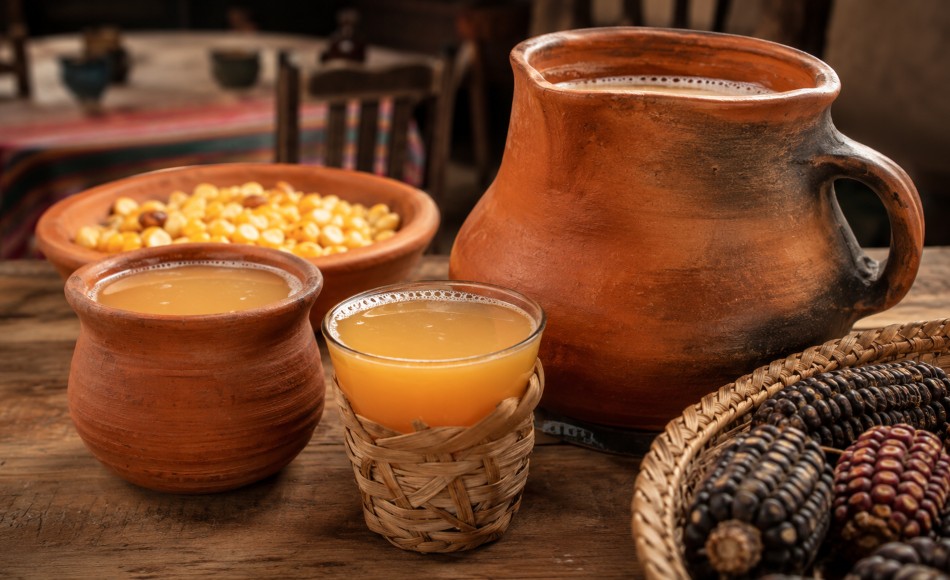
Chicha de jora is an ancestral Peruvian beverage made from corn that has been sprouted, dried, and ground. This malted corn, known as jora, is simmered for several hours and then naturally fermented, producing the drink’s characteristic lightly sour, grain-forward flavor and moderate alcohol content.
Long before the colonial period, chicha played an important role in the social and ceremonial life of Andean cultures. During the Inca Empire, it was served at rituals, agricultural festivals, and communal gatherings. It is still prepared today in traditional chicherías, picanterías, and homes throughout Peru, particularly in the northern and southern Andes.
Recipes vary according to region and family tradition. The most representative preparation combines ground jora corn, water, and a modest amount of chancaca, followed by fermentation in clay vessels or clean food-safe containers. It is served fresh and commonly accompanies intensely seasoned regional dishes.
Print
Peruvian Chicha de Jora
- Prep Time: 30 minutes
- Cook Time: 3 hours
- Total Time: 59 hours 30 minutes
- Yield: 30
- Category: Beverage
- Cuisine: Peruvian
Ingredients
- 1 kg ground jora corn (2.2 pounds)
- 10 liters water (about 2.6 gallons)
- 300 g chancaca or dark panela, chopped (about 1½ cups)
- 1 cinnamon stick
- 3 whole cloves
Preparation
- Clean and soak the jora, inspect the ground corn and remove any foreign material. Place it in a large container, cover it with 3 liters of the water, and let it soak for 8 hours or overnight. Soaking hydrates the corn and helps extract its sugars during cooking.
- Begin cooking, transfer the soaked jora and all its soaking water to a large stockpot, then add the remaining 7 liters of water. Bring it to a boil over medium heat, stirring from the bottom to prevent sticking. Once it boils, lower the heat and skim off any foam that rises to the surface.
- Simmer slowly, add the cinnamon stick and cloves and maintain a gentle simmer for 2½ to 3 hours. Stir occasionally and add hot water if the liquid reduces excessively. When ready, it should have a deep golden color, a toasted aroma, and a pronounced grain flavor.
- Strain and sweeten, pour the hot mixture through a clean cloth, nut-milk bag, or very fine strainer. Press the cooked jora to extract as much liquid as possible. Add the chopped chancaca and stir until completely dissolved.
- Cool safely, let the liquid cool to room temperature. Wash and sanitize a clay vessel, glass container, or food-safe fermenter. Do not pour the hot liquid directly into the fermentation vessel because excessive heat can interfere with the fermentation process.
- Ferment the chicha, pour the cooled liquid into the container, leaving approximately 15% of the vessel empty. Cover it with a clean cloth secured with a band, or use a lid fitted with a fermentation airlock. Keep it in a cool, ventilated place away from direct sunlight for 2 to 4 days.
- Monitor the flavor, taste the chicha with a clean utensil after the first 48 hours. At 2 days it will be sweeter and milder; by the third or fourth day it will be more tart and more fully fermented. Once it reaches your preferred flavor, strain it again if it contains excessive sediment.
- Chill and serve, transfer the chicha to clean bottles without filling them completely and refrigerate them to slow fermentation. Serve the drink cool in glasses or traditional drinking gourds, stirring gently if natural sediment has settled at the bottom.
Chef’s Tips
- Use fresh, dry jora with a clean grain aroma. Discard it if it smells musty or shows signs of mold.
- Keep every utensil and container very clean to reduce the risk of contamination during fermentation.
- Do not tightly seal actively fermenting chicha, since trapped gas can create dangerous pressure inside the container.
- Taste it each day with a clean spoon and refrigerate it when it reaches your preferred level of acidity.
- Ambient temperature affects fermentation: the process moves faster in warm climates than in cooler conditions.
- Chicha continues changing slowly in the refrigerator, so it is best consumed fresh.
Traditional Variations
In northern Peru, particularly in Piura, Lambayeque, and La Libertad, chicha de jora is commonly cooked in large pots and fermented in clay jars. Some families use very little chancaca or omit it, depending on the natural sweetness of the jora.
Arequipa and other southern regions prepare related beverages such as chicha de guiñapo, made from a local variety of sprouted black corn. Although the method also involves cooking and fermentation, its color and flavor are distinct.
Some household recipes include toasted barley for additional body. Others simmer the cooked jora residue a second time with less water and combine both extractions before fermentation.
Traditional Serving Style
Serve chicha de jora cool but not excessively cold, using glasses, pitchers, drinking gourds, or clay cups. Its appearance may be slightly cloudy and contain sediment, which is normal for an unfiltered artisanal drink.
In picanterías and chicherías, it accompanies generous, spicy, or strongly seasoned dishes. It is also served at patron saint festivals, agricultural work gatherings, community events, and traditional celebrations.
Recommended Pairings
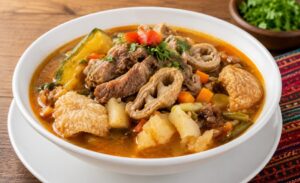
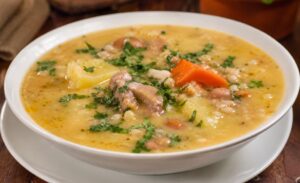
- Northern Peruvian goat stew with beans
- Northern-style ceviche
- Shámbar
- Arequipa-style adobo
- Pachamanca
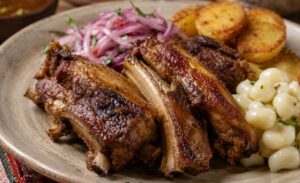
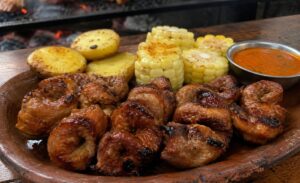
- Fried pork
- Regional stews and spicy dishes
Origin and Tradition
Fermented corn beverages have been produced in the Andes since before the Inca Empire. Chicha served as nourishment, a social beverage, and a ceremonial offering. Its production was closely connected with agriculture, communal reciprocity, and celebrations honoring Andean deities.
During the Inca period, specialized spaces produced chicha for ceremonies and large gatherings. Women known as acllas participated in preparing beverages intended for ritual use and the ruling elite.
Chicha de jora remains important in Peruvian food culture because it is more than a beverage. For many communities, it represents hospitality, celebration, and shared labor while maintaining a direct link with ancient Andean food traditions.
Frequently Asked Questions
Jora is corn that has been moistened so it begins to sprout and is then dried and ground. During germination, some of the grain’s starches are converted into sugars that ferment more easily. This process is essential for developing the traditional flavor and qualities of chicha.
Yes. Traditional chicha de jora develops alcohol during fermentation, although the amount varies according to fermentation time, temperature, sugar content, and preparation method. Younger chicha is usually sweeter and lower in alcohol, while longer fermentation produces a more tart and alcoholic beverage.
During the first few days, you may notice small bubbles, light foam, a fermented grain aroma, and gradually increasing acidity. These changes are normal. Discard the beverage if it develops visible mold, unusual colors, a slimy texture, or a strong rotten odor.
It generally ferments for 2 to 4 days. In warm climates, it may reach the desired stage sooner, while cooler conditions slow the process. Taste it daily and refrigerate it when it has the balance of sweetness and acidity you prefer.
Once refrigerated, consume it preferably within 3 to 5 days. Use strong bottles and do not fill them to the top. Open the containers carefully because the beverage may continue producing gas even at low temperatures.