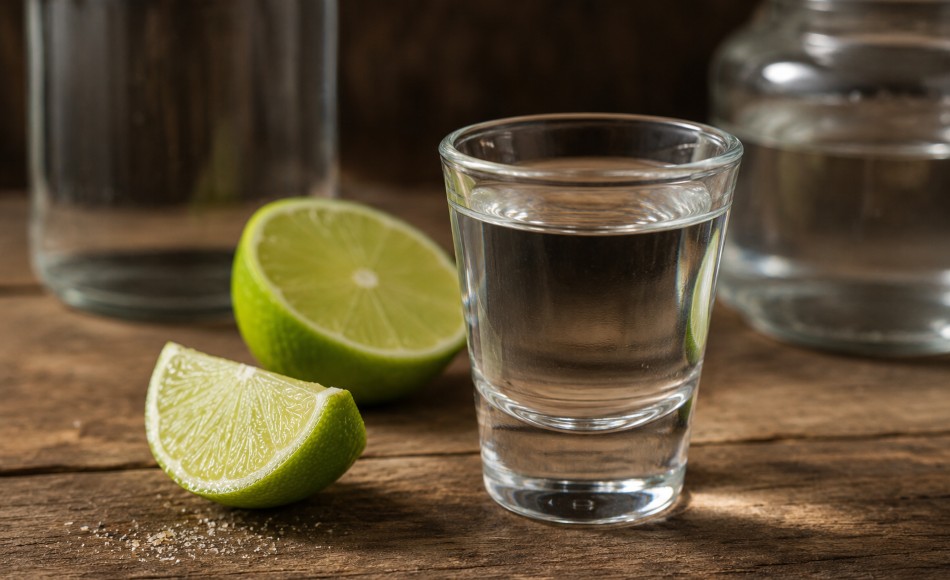
Cañazo is a traditional Peruvian spirit obtained by fermenting and distilling fresh sugarcane juice. It is generally clear, highly aromatic, and strong. In Peru, it is particularly associated with rural communities in the Andes and Amazon regions, where it may also be known as sugarcane aguardiente, trago de caña, or yonque.
The drink became deeply integrated into the social life of many communities. It may be served during patron saint festivals, communal celebrations, agricultural work, wakes, family gatherings, and Andean offerings. In some regions, it is also used as the base for traditional infusions made with fruit, herbs, bark, or honey.
Authentic production requires professional distillation equipment, precise temperature control, proper separation of distillate fractions, and sanitary testing. Because improvised distillation can cause fires, explosions, or methanol poisoning, it should never be attempted in a home kitchen. This recipe explains how to serve legally produced cañazo safely.
Print
Peruvian Cañazo
- Prep Time: 5 minutes
- Total Time: 5 minutes
- Yield: 8 servings
- Category: Beverage
- Cuisine: Peruvian
Ingredients
For serving (8 servings of 30 ml)
- 240 ml legally produced and bottled Peruvian cañazo from an authorized producer (1 cup)
- Ice (optional)
- 1 lime, cut into wedges (optional)
- 250 ml cold potable water to serve alongside (1 cup, optional)
Preparation
- Get ready to serve, if you like it cold, chill the bottle of cañazo slightly in the refrigerator before serving and set out small glasses.
- Serve in moderation, pour 30 ml of cañazo per serving (up to 45 ml at most), neat or over ice. If you like, serve it with a lime wedge and a glass of cold water on the side.
Background: cañazo is made in authorized distilleries, where the sugarcane juice is fermented, distilled in certified stills while separating the fractions unfit for consumption, adjusted for alcohol content, and checked under health regulations before bottling. It is not a process to attempt at home.
Helpful Tips
- Never distill alcohol in household pots, sealed containers, kitchens, or improvised equipment.
- Purchase cañazo that identifies its producer, declared alcohol content, required registration, and production lot.
- Avoid any spirit of unknown origin or one with unusual chemical odors, particles, or incomplete labeling.
- Do not attempt to judge a spirit’s safety by setting it on fire; a flame test cannot detect methanol or prove that it is drinkable.
- Serve small portions because cañazo is normally much stronger than beer or wine.
- Keep the bottle tightly closed and away from flames, heat sources, and direct sunlight.
Traditional Variations
Sugarcane aguardiente has different names and treatments across Peru. In areas of the central and southern Andes, it is commonly served as clear cañazo, while in parts of northern Peru and the Amazon it may be called yonque.
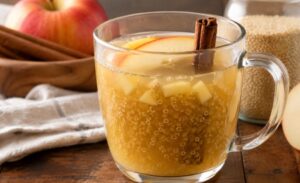
It also serves as the foundation for regional macerated drinks made with herbs, honey, fruits, roots, or bark. These preparations vary from one community to another and should not be confused with redistillation.
Some cañazos are rested in glass or stainless steel, while others are aged in wooden barrels and develop a golden color and softer aromas. Clear, unaged aguardiente remains the most recognizable rural style.
Traditional Serving Style
Serve cañazo at room temperature or slightly chilled in small glasses. Since it is a strong spirit, the traditional portion is generally modest. It may be offered before a meal or during a communal toast and should be consumed slowly.
In some Andean ceremonies, a small amount is poured onto the earth before drinking as an act of reciprocity and gratitude. This practice has specific cultural meaning and is not universal throughout Peru.
Recommended Pairings
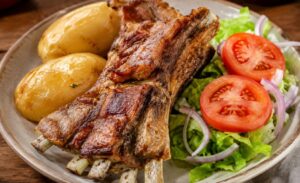
- Peruvian fried pork
- Toasted Andean corn
- Fresh cheese
- Cecina
- Pachamanca
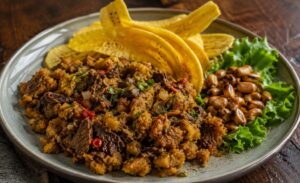
- Rich regional stews
- Drinking water between servings
Did You Know?
In Peru, the word cañazo can refer both to sugarcane aguardiente and, in popular speech, to an especially strong alcoholic drink. Its history is connected with the spread of sugarcane cultivation and with the rural adaptation of fermentation and distillation techniques.
For many communities, cañazo has a meaning beyond ordinary drinking. Its presence in ceremonies, agricultural work, religious festivals, and social exchanges makes it a symbol of hospitality and communal participation.
Frequently Asked Questions
Both originate from sugarcane, but they are not identical. Peruvian cañazo is generally a clear, intense spirit with little or no barrel aging. Rum usually follows more standardized production methods and may mature in wooden barrels for years, developing a darker color and smoother flavor.
Alcohol strength varies according to the producer and regional style. Always check the bottle’s declared alcohol content and treat it as a strong distilled spirit. Unregistered products without a stated alcohol percentage are risky because their composition has not been verified.
Distillation concentrates flammable alcohol and generates vapors that can cause fires or explosions. Incorrect fraction separation can also leave toxic compounds in the drink. Safe production requires certified equipment, ventilation, accurate measurements, laboratory controls, and trained personnel.
Choose a sealed bottle that clearly states the producer, volume, alcohol content, production lot, and required registration information. A clear appearance or pleasant smell does not prove safety. Avoid spirits sold in reused containers or without verifiable labeling.
Keep the bottle tightly closed in a cool, dry place protected from sunlight. Do not store it near stoves, candles, or other sources of fire. Its high alcohol content usually makes refrigeration unnecessary, although it may be lightly chilled before serving.