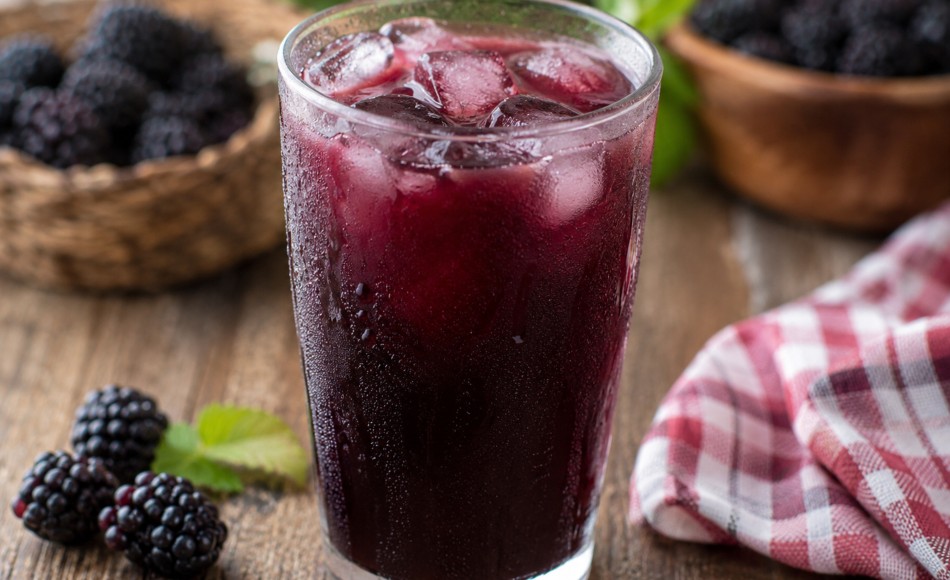
Blackberry juice is one of Colombia’s most common and beloved cold drinks. It is made with fresh blackberries, water, sugar, and ice, and it is known for its deep purple color, gently tart flavor, and refreshing texture.
It is often served with lunch, sold at juice shops, or made at home on warm days. Many Colombian households also make it with milk, although the water-based version is lighter and more common with meals.
Print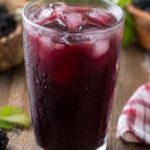
Colombian Blackberry Juice
- Prep Time: 10 minutes
- Total Time: 10 minutes
- Yield: 4
- Category: Beverage
- Cuisine: Colombian
Ingredients
- 350 g fresh blackberries (3 cups)
- 750 ml cold water (3 cups)
- 70 g sugar (⅓ cup)
- 160 g ice (1 ½ cups)
Preparation
- Wash the blackberries, check that they are ripe and remove any stems or damaged berries. Drain them well before using.
- Blend the juice, place the blackberries, cold water, and sugar in a blender. Blend for 30 seconds, until smooth and deeply colored.
- Strain the drink, pour the juice through a fine strainer to remove the seeds. Press gently with a spoon to extract as much liquid as possible without forcing through too much pulp.
- Chill and serve, add the ice to the strained juice, stir well, and serve immediately in tall glasses.
Chef’s tips
- Use ripe blackberries for a sweeter, more fragrant juice.
- Taste before adding all the sugar, since tartness can vary between batches of fruit.
- Strain the juice for a smoother drink without seeds.
- Chill the water and blackberries before blending so the juice stays cold and refreshing.
Traditional variations
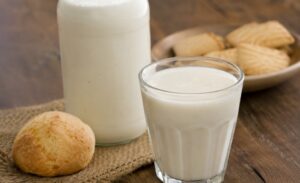
In Colombia, blackberry juice is also made with milk, especially for breakfast and afternoon snacks. For that version, replace the water with the same amount of cold milk and add the ice at the end. The result is creamier and milder.
Some people sweeten blackberry juice with dissolved panela instead of sugar, although sugar is very common in everyday preparation.
How to serve
Serve blackberry juice very cold in tall glasses, alongside lunch, empanadas, arepas, or home-style meals. The milk version is especially good with Colombian baked goods in the morning or afternoon.
Recommended pairings
- Colombian empanadas
- Cheese arepas
- Pandebono
- Almojábanas
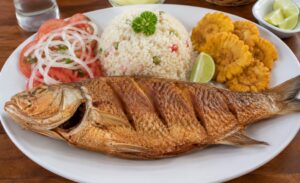
- Colombian chicken and rice
- Roast chicken
A cultural note
Blackberries are widely used in Colombian juices, desserts, and sauces. Their deep purple color and bright tartness make blackberry juice easy to recognize and one of the most frequently ordered drinks in traditional restaurants.
Frequently Asked Questions
Both versions are traditional. The water-based version is lighter, fresher, and well suited to lunch. The milk version is creamier and milder, so it is often enjoyed for breakfast, afternoon snacks, or with Colombian baked goods.
It is not required, but it is strongly recommended for a smoother drink. Blackberry seeds can make the texture feel rough. Straining produces a cleaner, more pleasant juice, especially when serving it with meals.
Yes. Frozen blackberries work well when fresh fruit is unavailable. Let them sit for a few minutes before blending, or blend them directly while using less ice. Adjust the sugar at the end, since frozen blackberries can sometimes taste more tart.