Along Galicia's rías, when a shoal of xoubas — tiny, silvery baby sardines typical of Spain's Atlantic coast — comes into the ría, ports like A Illa de Arousa, Ribeira, and Cambados fill with this fresh catch, fried the very same day it's unloaded. Fried xoubas are one of the most humble yet beloved dishes in Galician cooking: a handful of whole little fish, lightly floured and fried in plenty of oil until golden and crisp.
This is a dockside, tapas-bar dish rather than fine dining — eaten with your hands, straight out of the pan, alongside a glass of chilled albariño white wine. That very simplicity is what makes it so beloved, and every summer it takes center stage at local food festivals, like the Festa da Xouba in Ribeira, which draws hundreds of people to celebrate this seasonal fish.
Print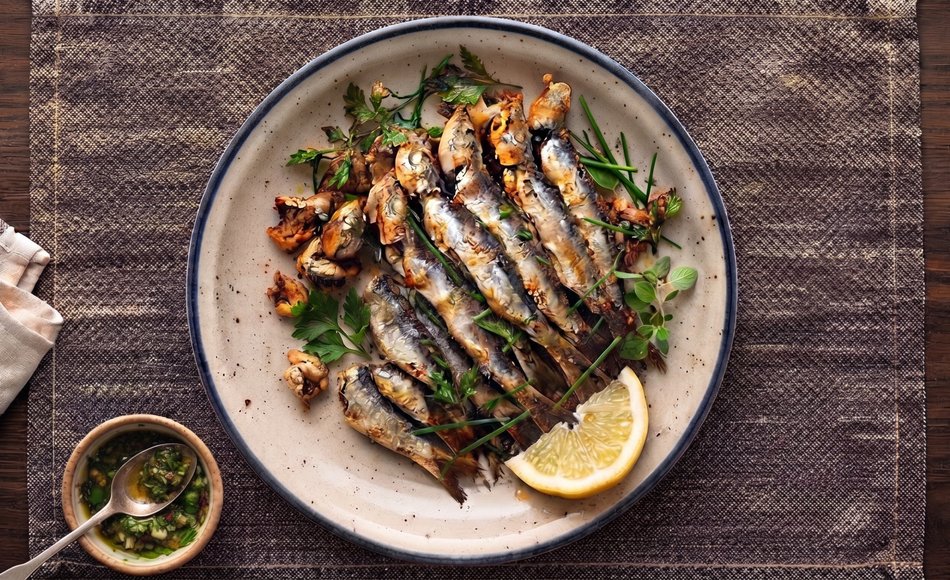
Fried Xoubas (Galician Fried Baby Sardines)
- Prep Time: 10 minutes
- Cook Time: 10 minutes
- Total Time: 20 minutes
- Yield: 4 servings
- Category: Appetizer
- Cuisine: Spanish / Galician
Ingredients
- 600 g of fresh xoubas or very small sardines, cleaned (about 25-30 pieces)
- 100 g of all-purpose flour (3/4 cup)
- Coarse salt, to taste
- 400 ml of extra virgin olive oil, for frying (1 3/4 cups)
- 1 lemon, cut into wedges, for serving
Preparation
- Clean and salt the fish, rinse the xoubas under cold water, gut them if they aren't already cleaned, and pat them dry with paper towels; spread them out on a large tray and season both sides with coarse salt, letting them rest for 5 minutes to absorb the flavor.
- Coat the xoubas in flour, put the flour in a shallow dish and dredge each little fish, covering it completely, then shake off the excess so only a thin, even coating remains.
- Fry them in hot oil, heat the oil in a deep skillet until it shimmers, then fry the xoubas in small batches for 1-2 minutes per side without crowding the pan, until golden and crisp.
- Drain and serve right away, lift the xoubas out with a slotted spoon and rest them briefly on paper towels to remove excess oil, then serve them hot, straight from the pan, with lemon wedges on the side.
Chef's Tips
- Use a mild extra virgin olive oil so it doesn't overpower the fish's delicate flavor.
- Don't overcrowd the pan: frying a few xoubas at a time keeps the oil at a steady temperature and keeps them from sticking together.
- Pat them completely dry before flouring; leftover moisture makes the flour clump and causes oil to splatter.
- Serve them the moment they come out of the pan, since fried xoubas lose their crisp texture if left to sit too long.
Traditional variations
- In some coastal towns, like Ribeira, the wheat flour is mixed with a bit of cornmeal for a more rustic, extra-crunchy crust.
How to Serve
Fried xoubas are enjoyed as a tapa or pincho, served on a shared platter with lemon wedges to squeeze over them right before eating. It's common to eat them with your hands, holding each little fish by the tail.
Recommended sides
- Galician wheat bread, on the side
- Well-chilled albariño wine
- Fried Padrón peppers
Did You Know?
A xouba is actually a young sardine, caught before it reaches full adult size, and its peak season falls during the summer months along Galicia's rías. This seasonal abundance gave rise to popular festivals like the Festa da Xouba in Ribeira, an officially recognized tourist event where thousands of fried servings are handed out outdoors in tribute to the local fishing tradition.
Frequently Asked Questions
Because leftover moisture makes the flour clump and causes the oil to splatter, so they should be patted dry with paper towels before dredging.
They should be fried in hot oil for 1-2 minutes per side, until golden and crisp.
Because frying a few at a time keeps the oil at a steady temperature and keeps the xoubas from sticking together.
In some coastal towns, like Ribeira, the wheat flour is mixed with a bit of cornmeal for a more rustic, extra-crunchy crust.
They are served on a shared platter, and it's common to eat them with your hands, holding each little fish by the tail, with lemon wedges to squeeze over them right before eating.