Trinxat de la Cerdanya is a humble, hearty dish from the Catalan Pyrenees, born in the farmhouses of La Cerdanya, a mountain valley split between Catalonia, French Cerdagne, and Andorra. It turns two very simple ingredients, potatoes and cabbage, into a comforting meal: they're boiled together, mashed into a mixture with some texture, and then pan-fried with cured pork belly until it forms a golden, crispy cake, crunchy outside and soft inside.
For generations it was a way to make the most of what the mountain gardens could give during the cold months, when potatoes and cabbage were among the few crops that held up at high altitude. Today it's still a beloved dish across the region, common at winter dinners and in country farmhouses, where it's often served alongside cured sausage or a good slice of bread.
Print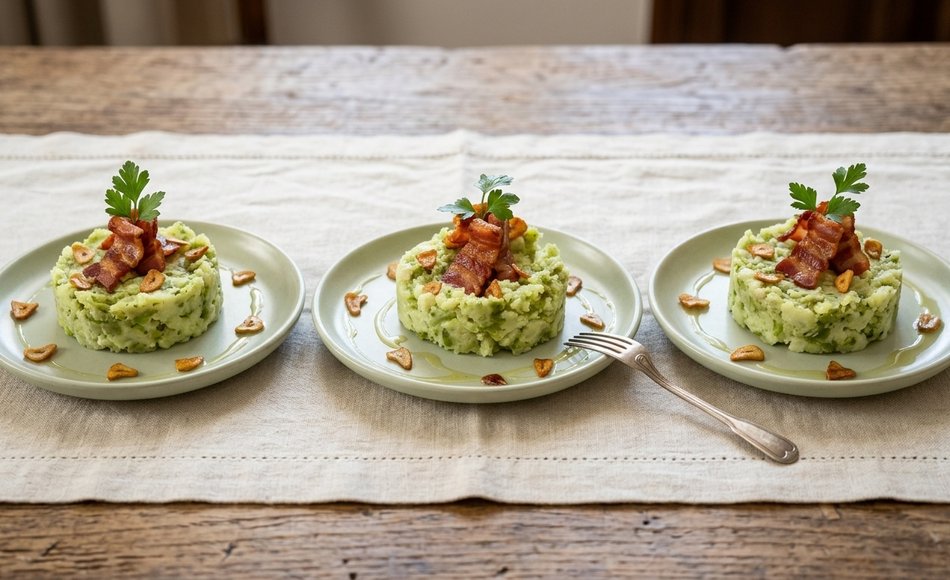
Catalan Trinxat de la Cerdanya
- Prep Time: 15 minutes
- Cook Time: 45 minutes
- Total Time: 1 hour
- Yield: 4 servings
- Category: Main Course
- Cuisine: Catalan
Ingredients
- 800 g of potatoes (about 1.75 lb / 5-6 medium potatoes)
- 600 g of cabbage (about 1 small head)
- 150 g of cured pork belly (cansalada/panceta), sliced or diced (about 5-6 thick slices / 5 oz)
- 2 cloves of garlic, minced
- Salt, to taste
- Salted water for boiling the potatoes and cabbage
Preparation
- Boil the potatoes and cabbage, peel the potatoes and cut them into medium chunks, chop the cabbage after removing the tough core, and place both vegetables together in a pot with salted water; cook for 20-25 minutes until very tender.
- Drain and mash, once the potatoes and cabbage are soft, drain them well and mash them together with a fork or potato masher until you get a well-combined mixture that still has some texture, not a completely smooth purée.
- Brown the pork belly, in a wide skillet over medium heat, brown the cured pork belly together with the minced garlic until it releases its fat and turns crispy; set aside some of the crispy pieces to garnish later.
- Fry the mash, pour the potato and cabbage mixture over the remaining fat and pork belly in the skillet, spread it into a compact cake, and cook over medium-low heat without stirring for 8-10 minutes, pressing down with a spatula, until a golden crust forms on the bottom.
- Flip and finish browning, use a large plate or lid to flip the trinxat like an omelet, and cook the other side for another 8-10 minutes until it's just as golden and crisp.
- Serve hot, cut the trinxat into wedges like a pie, scatter the reserved crispy pork belly pieces on top, and bring it to the table freshly made.
Kitchen Tricks
- Don't mash the mixture into a completely smooth purée: trinxat should keep some texture from the potato and cabbage.
- Use a heavy-bottomed or well-seasoned skillet so the golden crust forms without sticking.
- If you can't find cansalada, fresh strips of pork belly work just as well.
- Let the base rest for a couple of minutes before flipping it so the crust stays firm and doesn't break apart.
Traditional variations
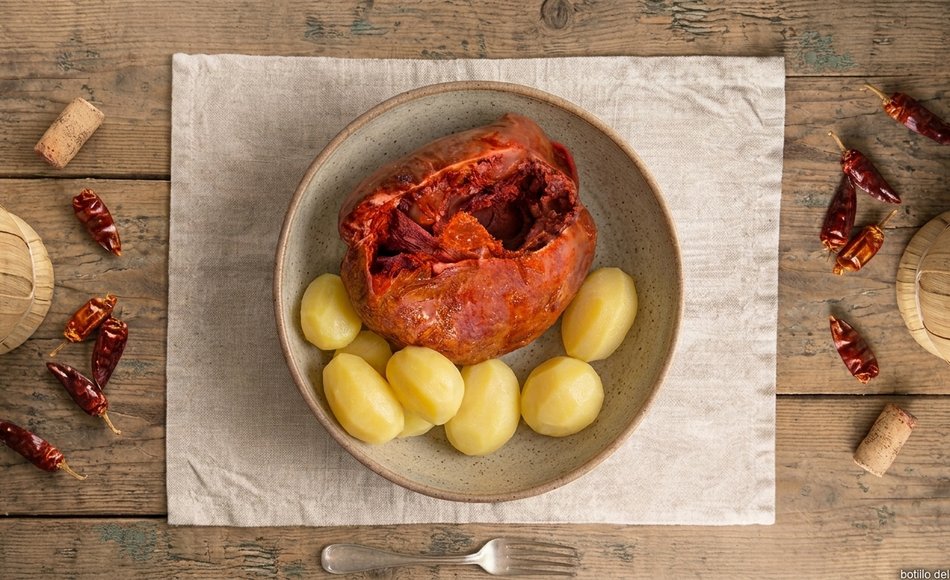
- In some homes, crumbled black pudding (botifarra negra) is mixed in before frying.
- In higher villages, mountain-grown collard-style cabbage replaces common cabbage, depending on what the garden produces.
- The Andorran version of trinxat is nearly identical, reflecting the shared culture across the Pyrenees.
Traditional Serving
Trinxat is served piping hot, straight from the skillet, cut into wedges like a savory pie.
It's often paired with a glass of young local red wine and a slice of country bread to round out the meal.
Recommended sides
- Grilled black pudding (botifarra negra)
- Country bread
- Young red wine
A Bit of History
Trinxat was born in the farmhouses of La Cerdanya, the Pyrenean valley split between Catalonia, French Cerdagne, and Andorra, where the cold climate meant winter meals relied on potatoes and cabbage, two crops that held up well at high altitude.
Its name comes from the Catalan verb "trinxar" (to chop or mash), a nod to how the two main ingredients are mashed together before frying.
It's a close cousin of dishes like Irish colcannon or English bubble and squeak, both also made from fried mashed potato and cabbage, proof that different mountain and cold-climate cultures arrived at similar solutions for using the same seasonal ingredients.
Frequently Asked Questions
It shouldn't be a completely smooth puree: mash it with a fork or potato masher until you get a well-combined mixture that still has some texture from the potato and cabbage.
A heavy-bottomed or well-seasoned skillet, so the golden crust forms without the trinxat sticking.
Fresh strips of pork belly work just as well as the cansalada in this recipe.
Use a large plate or lid to flip it like an omelet, and let the base rest for a couple of minutes before flipping so the crust stays firm and doesn't break apart.
It's often paired with grilled black pudding (botifarra negra), country bread, and a glass of young local red wine.