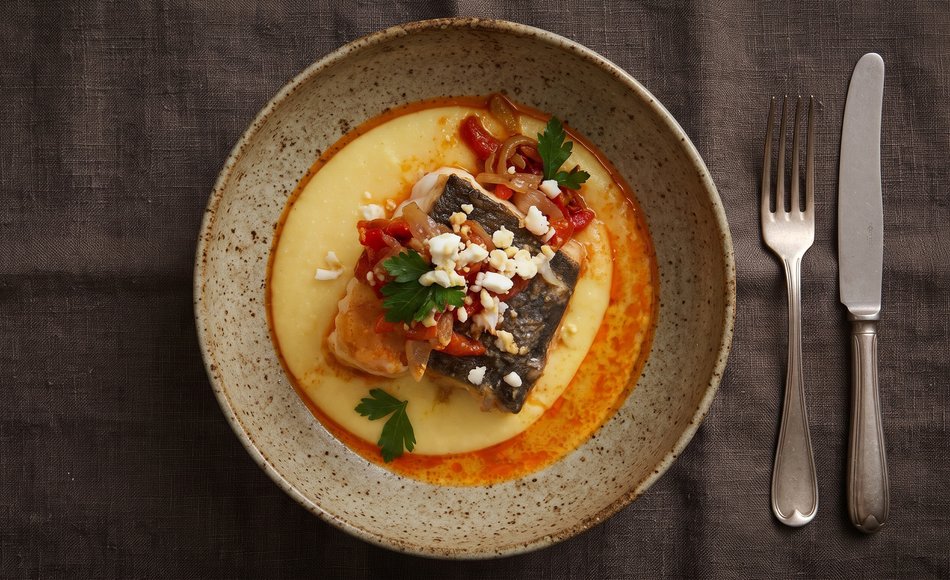
Ternasco de Aragón Asado is one of the most iconic dishes of Aragonese cuisine: a leg or shoulder of very young lamb, slow-roasted with garlic, white wine, and potatoes until the meat turns fork-tender and pulls easily from the bone, with skin that turns deeply golden and crisp.
The word "ternasco" refers specifically to lamb slaughtered between 70 and 90 days of age, a distinction protected since 1989 under Spain's Protected Geographical Indication (PGI) Ternasco de Aragón, one of the first fresh meats in the country to earn this designation. The PGI guarantees the animal comes from native regional breeds, Rasa Aragonesa, Ojinegra de Teruel, and Roya Bilbilitana, raised within Aragón itself.
This roast holds a central place at Sunday family meals, weddings, first communions, and town patron-saint festivals throughout the region, usually served as the main course alongside a glass of Cariñena or Somontano wine. For many families in Aragón, a Sunday without ternasco roasting in the home oven or the village bakery's communal oven is the exception, not the rule.
Print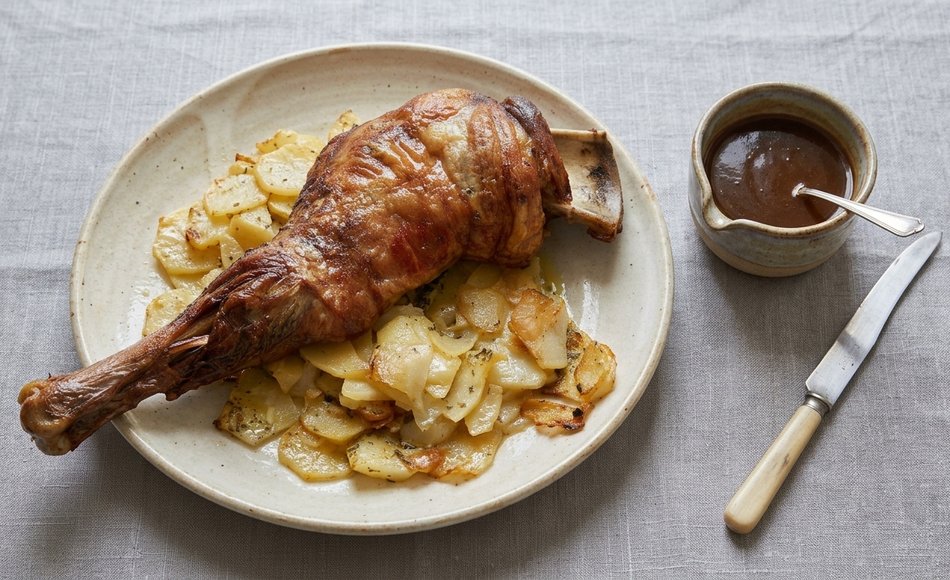
Roasted Ternasco de Aragón (Aragonese Lamb)
- Prep Time: 20 minutes
- Cook Time: 1 hour 50 minutes
- Total Time: 2 hours 20 minutes
- Yield: 4 servings
- Category: Main Course
- Cuisine: Spanish
Ingredients
- 1.8 kg of leg or shoulder of ternasco lamb (1 whole piece (about 4 lb))
- 6 cloves of garlic (1 small head)
- 60 g of pork lard (4 tablespoons (or 60 ml/4 tbsp extra virgin olive oil))
- 150 ml of dry white wine (2/3 cup)
- 1 kg of potatoes (4-5 medium potatoes)
- 2 sprigs of fresh rosemary
- 2 sprigs of fresh thyme (optional)
- Salt, to taste
- Black pepper, to taste
- 100 ml of water or beef/lamb broth (about 1/2 cup)
Preparation
- Prep the meat, take the ternasco leg or shoulder out of the refrigerator ahead of time so it comes to room temperature, pat it dry with paper towels, and season it well with salt and pepper on both sides.
- Stud it with garlic, peel the garlic cloves, slice them thinly, and use the tip of a knife to make small incisions in the meat so you can tuck in the garlic slices along with a few rosemary leaves.
- Build the potato bed, peel the potatoes, cut them into thick wedges, arrange them on the bottom of a roasting pan, and season with salt and pepper; this bed will soak up the lamb's juices as it roasts.
- Place and baste the lamb, set the meat skin-side up on top of the potatoes, brush it generously with melted lard, and pour the white wine and the water or broth around it.
- Roast it low and slow, bake at 150 °C / 300 °F (top and bottom heat) for most of the cooking time, basting the meat with its own juices every 20 to 25 minutes, until it's tender and pulls easily from the bone.
- Brown and serve, raise the oven temperature for the last few minutes to crisp up the skin, let the meat rest briefly before carving, and serve it hot alongside the potatoes.
Practical Tips
- Genuine ternasco comes from lambs slaughtered between 70 and 90 days old, which is what makes the meat so tender; if you can't find it, a good-quality milk-fed lamb is the best substitute.
- Basting the meat often during roasting keeps it from drying out and helps the skin turn deeply golden and crisp.
- For extra-crisp skin, uncover the pan, if you covered it with foil, during the last 20 minutes of cooking.
- Let the meat rest before carving so the juices redistribute instead of running out when you cut into it.
Traditional variations
- Some Aragonese families prepare ternasco with the shoulder instead of the leg, a juicier cut with less usable meat per piece.
- In some parts of Aragón, onion and tomato are added to the potato bed to enrich the pan juices.
- There's also a honey-and-rosemary version, where the skin is brushed with a little honey near the end of roasting to deepen the golden color.
Recommended Presentation
Roasted Ternasco de Aragón is traditionally served whole or carved right in the pan it was roasted in, alongside the potatoes that cooked with it and drizzled with its own pan juices. It's commonly presented as the main course at family meals and celebrations, paired with a red or rosé wine from the Cariñena or Somontano appellations, both native to the Aragón region.
Recommended sides
- Roasted potatoes cooked in the lamb's own juices
- Simple green salad with olive oil
- Red or rosé wine from Cariñena or Somontano
- Country-style bread for soaking up the pan juices
A Bit of History
Ternasco de Aragón was one of the first fresh meats in Spain to receive a Protected Geographical Indication (PGI), granted in 1989, guaranteeing that the lamb comes from native Aragonese breeds, Rasa Aragonesa, Ojinegra de Teruel, and Roya Bilbilitana, raised and slaughtered within the region.
Its name comes from the Aragonese word "ternasco," referring to a very young lamb, typically slaughtered between 70 and 90 days old, when the meat is at its most tender and mildest in flavor. This roast is a fixture on Aragonese tables during family gatherings, weddings, and local patron-saint festivals, and it's considered one of the most representative dishes of Aragón's cuisine.
Frequently Asked Questions
So you can tuck in the garlic slices along with a few rosemary leaves.
It soaks up the lamb's juices as it roasts.
Every 20 to 25 minutes, using its own juices.
To crisp up the skin until it turns deeply golden.
60 ml (4 tbsp) of extra virgin olive oil.