Lamb chilindrón is one of the signature stews of Aragonese cooking, though it's just as beloved in Navarre and La Rioja. Its name comes from the chilindrón sauce itself, a base of tomato, bell pepper, and onion slow-cooked until thick and richly flavored, the same sauce used for the equally classic chicken chilindrón.
It's a dish that shows up at family gatherings and celebrations, especially during the colder months, when lamb is braised slowly until it becomes so tender it falls off the bone. In many Aragonese homes it's the dish saved for guests, in part because it tastes even better the next day and can be made well ahead of time.
Print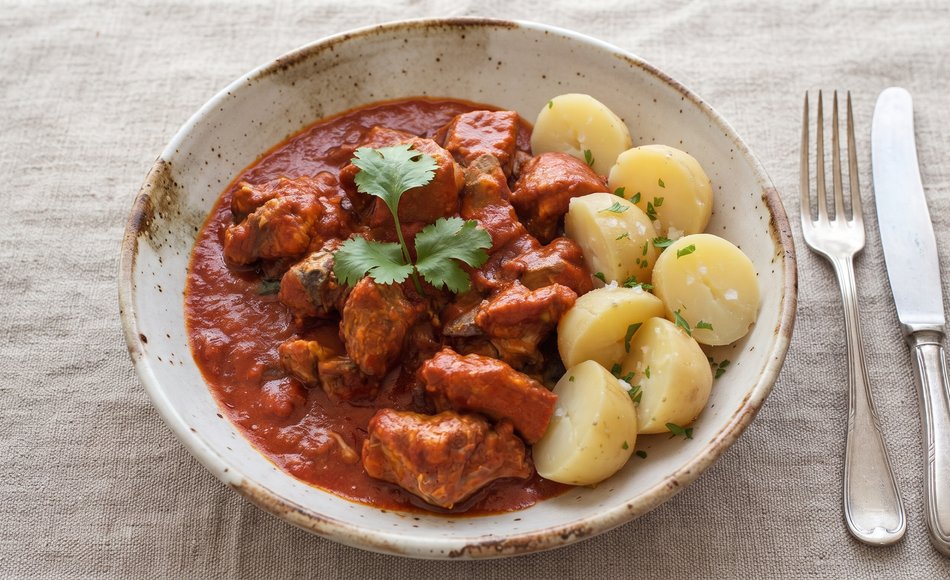
Spanish Lamb Chilindrón (Cordero al Chilindrón)
- Prep Time: 25 minutes
- Cook Time: 1 hour 30 minutes
- Total Time: 1 hour 55 minutes
- Yield: 4 servings
- Category: Main Course
- Cuisine: Spanish
Ingredients
- 1 kg of lamb shoulder, cut into pieces (about 2.2 lb, cut into stew-sized pieces by your butcher)
- 60 ml of extra virgin olive oil (4 tablespoons)
- 200 g of white onion, chopped (1 large onion)
- 4 cloves of garlic, chopped
- 300 g of red bell pepper, sliced into strips (2 medium red bell peppers)
- 100 g of green Italian pepper, sliced into strips (1 green bell pepper) (optional)
- 400 g of ripe tomato, grated (2 large tomatoes)
- 80 g of serrano ham, diced
- 100 ml of dry white wine (1/2 cup)
- 1 bay leaf
- 1 pinch of sugar (optional)
- Salt, to taste
- Black pepper, to taste
- Water or broth, if the stew dries out
Preparation
- Season the lamb, pat the lamb pieces dry with paper towels, season generously with salt and pepper on all sides, and set them aside ready to brown.
- Brown the meat, heat the olive oil in a large pot over high heat and brown the lamb pieces in batches until deeply golden; remove them and set aside.
- Build the base, in the same oil, sauté the diced serrano ham for a couple of minutes, then add the onion and garlic and cook over medium heat until the onion turns translucent.
- Add the peppers, stir in the red and green pepper strips and cook, stirring occasionally, until softened, about 8 to 10 minutes.
- Stir in the tomato, add the grated tomato and the pinch of sugar and cook over medium-low heat until the sauce thickens and loses its raw acidity, about 10 more minutes.
- Braise the lamb, return the browned lamb to the pot, pour in the white wine, and add the bay leaf, letting the alcohol cook off for a couple of minutes.
- Simmer low and slow, cover the pot and cook over low heat for about 1 hour and 15 minutes, stirring occasionally and adding a splash of water or broth if it looks dry, until the lamb is very tender.
- Adjust and serve, taste and adjust the salt and pepper, remove the bay leaf, and serve the lamb chilindrón hot straight from the pot.
Cooking tricks
- Choose shoulder or leg from young lamb (spring lamb); the meat is more tender and breaks down better during braising.
- Don't crowd the pot when browning the meat — work in batches so the lamb sears properly instead of steaming in its own juices.
- If the sofrito dries out before the peppers soften, add a splash of water to keep it from scorching.
- Chilindrón tastes even better the next day, so feel free to make it ahead and gently reheat it before serving.
Traditional variations
- In some Aragonese households part of the fresh pepper is replaced with rehydrated dried choricero pepper, which adds a deeper flavor and a richer color to the sauce.
- The same chilindrón base is traditionally used to make chicken chilindrón, swapping the lamb for chicken pieces.
Traditional way to serve
Lamb chilindrón is traditionally served piping hot, straight from the pot, so the thick pepper-and-tomato sauce is at its best.
It's common to serve it with bread for scooping up the sauce, and in many Aragonese homes, alongside a red wine from the region.
Recommended sides
- Rustic bread for scooping up the sauce
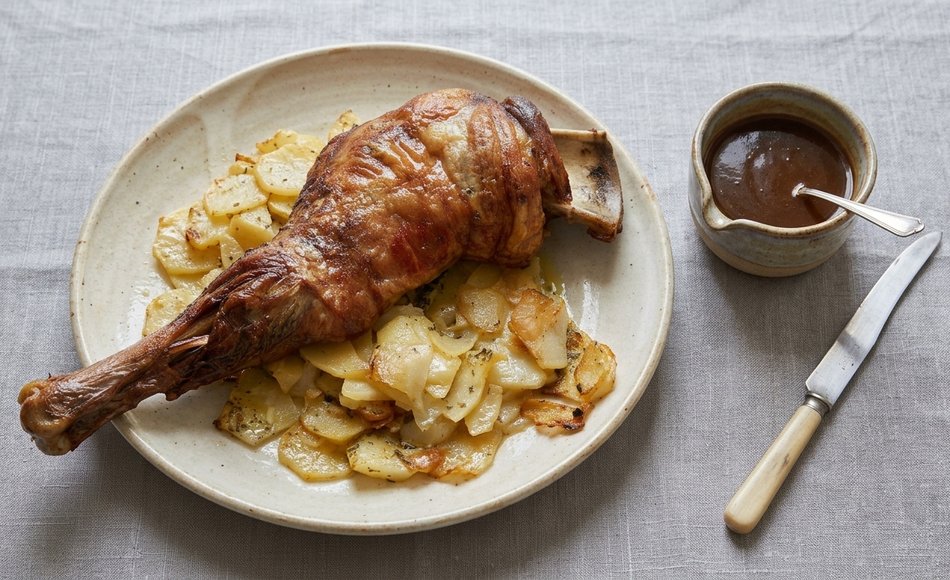
- Pan-fried or roasted potatoes
- A red wine from Aragón or La Rioja
Origin and tradition
Chilindrón is a signature sauce of Aragonese cuisine made from tomato, bell pepper, and onion, and it lends its name to several regional dishes, with chicken chilindrón being the other great classic.
The exact origin of the name isn't fully documented, though some accounts trace it to an old Spanish card game called 'chilindrón,' whose name later carried over into home cooking.
Frequently Asked Questions
Yes, chilindrón tastes even better the next day, so you can make it ahead and gently reheat it before serving.
No, the green Italian pepper is optional in the recipe.
Add a splash of water or broth if the stew looks dry while it cooks over low heat.
So the meat sears properly instead of steaming in its own juices; don't crowd the pot when browning it.
Shoulder or leg from young lamb (spring lamb) is recommended, since the meat is more tender and breaks down better during braising.