Pastel de cabracho is one of the most beloved cold appetizers of northern Spain, especially in the Basque Country and Cantabria, where it's a regular fixture on Christmas tables and at big family celebrations. It's made by blending the flesh of cabracho, a strongly flavored rockfish, with fried tomato sauce, eggs, and cream, then baking the mixture in a water bath much like a terrine.
Even though its name points directly to cabracho, this dish is also known simply as pastel de pescado, or fish pâté, since many home cooks adapt it to whatever firm white fish is on hand without losing its creamy texture or signature pale orange color. It's always served cold, sliced, and it often opens the menu at important meals like Christmas Eve dinner or weddings.
Print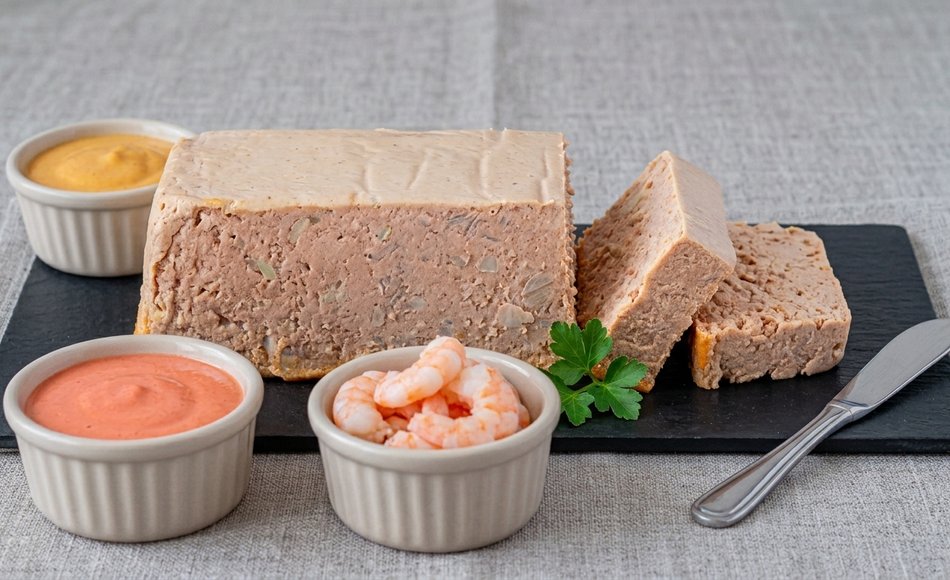
Spanish Cabracho Fish Pâté (Pastel de Cabracho)
- Prep Time: 30 minutes
- Cook Time: 1 hour 35 minutes
- Total Time: 6 hours 5 minutes
- Yield: 8 servings
- Category: Appetizer
- Cuisine: Spanish (Basque-Cantabrian)
Ingredients
- 1 kg of whole cleaned scorpionfish (cabracho), or substitute monkfish or hake if unavailable (about 2.2 lb, 1 medium whole fish)
- 250 ml of Spanish-style fried tomato sauce (tomate frito) (1 cup)
- 8 large eggs
- 250 ml of heavy cooking cream (18% fat) (1 cup)
- Salt, to taste
- Freshly ground black pepper, to taste
- 1 tablespoon of butter, for greasing the pan
- Water, 1 bay leaf, and ½ onion for poaching the fish
Preparation
- Poach the scorpionfish, place the whole fish in a pot with water, a bay leaf, half an onion, and salt, and simmer over medium heat for 15 to 20 minutes, until the flesh pulls away easily from the bones. Remove it from the water and let it cool slightly.
- Clean the fish, once the fish is cool enough to handle, carefully remove the skin, head, and all the bones, and flake the flesh, checking closely to make sure no bones remain.
- Blend the filling, put the flaked fish in a blender with the tomato sauce, eggs, cream, salt, and pepper, and blend until you get a smooth, even purée.
- Fill the mold, grease a loaf pan with butter, pour in the mixture, and tap it gently on the counter to release any air bubbles.
- Bake in a water bath, set the pan inside a larger baking dish filled with hot water reaching halfway up its sides, and bake at 440°F (225°C) for 1 hour 15 minutes, until a knife inserted in the center comes out clean.
- Cool and unmold, let the pâté cool to room temperature, cover it, and refrigerate for at least 4 hours or overnight, then unmold it right before slicing to serve.
Kitchen Tips
- If you can't find scorpionfish, monkfish, hake, or a mix of firm white fish all work well, though the flavor will be a bit milder than the traditional version.
- Strain the mixture before pouring it into the pan if you want a perfectly smooth texture, with no trace of skin or bone.
- The pâté actually tastes better the next day, so it's worth making ahead if you're serving it for a celebration.
- Check for doneness by inserting a knife into the center: if it comes out clean, the pâté is ready; if it's still wet, bake a few more minutes.
Traditional variations
- In some Basque and Cantabrian homes, part of the scorpionfish is replaced with spider crab meat (txangurro) for a richer, more festive version.
- It's also common to serve it with cocktail sauce (salsa rosa) instead of plain mayonnaise, especially in the version that became popular in Cantabria during the 1970s and 80s.
The Traditional Way to Serve It
Pastel de cabracho is always served cold, straight from the fridge, sliced into pieces about half an inch to three-quarters of an inch thick and arranged on a platter lined with a few lettuce leaves.
Recommended sides
- Homemade mayonnaise or cocktail sauce (salsa rosa)
- Toasted bread or slices of baguette
- A glass of chilled white wine or cava
A Bit of History
Pastel de cabracho, also called pastel de pescado, became popular in northern Spain, especially the Basque Country and Cantabria, during the second half of the 20th century, eventually turning into a classic starter for Christmas dinners and family gatherings.
Scorpionfish is a rockfish covered in sharp spines and bones, but with wonderfully firm, flavorful flesh; this recipe turned out to be the perfect way to make the most of that meat without any bones getting in the diner's way, since they're completely removed before the mixture is blended.
Frequently Asked Questions
Monkfish, hake, or a mix of firm white fish all work well, though the flavor will be a bit milder than the traditional version.
Insert a knife into the center: if it comes out clean, the pâté is ready; if it's still wet, bake a few more minutes.
It should cool to room temperature and then refrigerate for at least 4 hours or overnight before unmolding and slicing it.
It's recommended to serve it with homemade mayonnaise or cocktail sauce, toasted bread or baguette slices, and a glass of chilled white wine or cava.
Strain the mixture before pouring it into the pan to remove any trace of skin or bone and achieve a perfectly smooth texture.