Pote asturiano is the everyday, rustic cousin of fabada, the more famous bean stew from Asturias in northern Spain. While fabada is built strictly on beans and compango, pote adds cabbage and potatoes to the pot, turning it into a heartier, more complete stew meant to fuel people working outdoors through the region's long, cold winters.
The dish takes its name from the pote itself, the cast-iron cauldron traditionally hung over a low fire, where Asturian families would let beans simmer for hours alongside the cured pork saved from the annual home slaughter. It's a true winter dish, still common in mountain villages and cider houses, where it's served as a single, deeply comforting course.
Print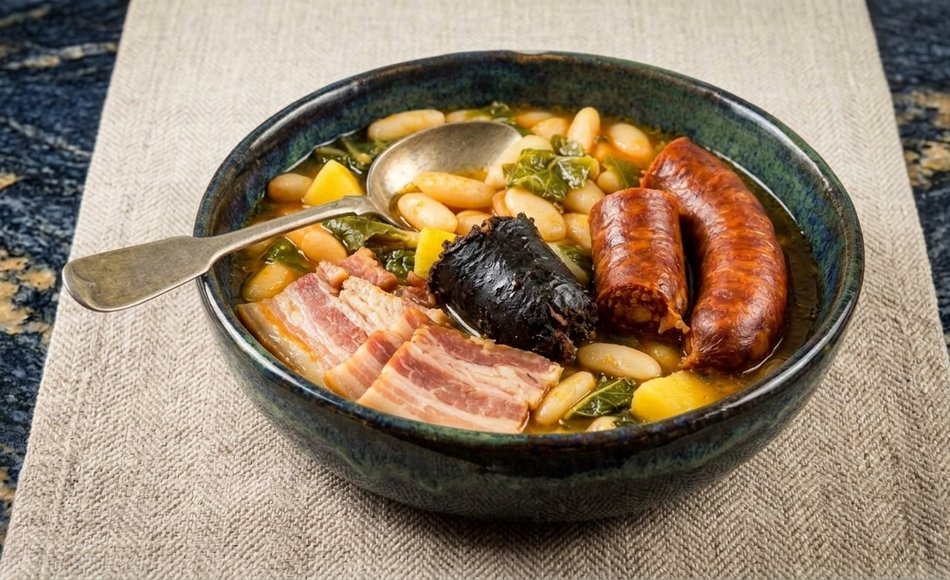
Pote Asturiano (Asturian White Bean, Cabbage and Pork Stew)
- Prep Time: 30 minutes
- Cook Time: 3 hours
- Total Time: 3 hours 30 minutes
- Yield: 6 servings
- Category: Main Course
- Cuisine: Asturian
Ingredients
- 400 g of dried white beans (large lima or cannellini-style) (2 cups)
- 300 g of green cabbage, cut into pieces (about 1/2 medium head)
- 500 g of potatoes, peeled and cut into large chunks (3 medium potatoes)
- 200 g of Spanish chorizo, Asturian-style cured sausage (2 chorizo links)
- 150 g of morcilla (Spanish blood sausage, Asturian-style) (1 sausage)
- 150 g of streaky bacon or salt pork (tocino) (1 piece)
- 300 g of cured, salted pork shoulder (lacón) (1 piece)
- 200 g of salted or cured pork ribs (1 piece)
- 50 g of unto (smoked cured pork fat) (1 small piece) (optional)
- 1 whole head of garlic
- 2 bay leaves
- Salt, to taste
- 2.5 liters of water, approximately (about 10 cups, to cover)
- Cold water for soaking the beans and desalting the meats
Preparation
- Soak the beans and desalt the meats, put the dried white beans in a bowl of cold water overnight, and do the same in a separate bowl with the salted lacón and ribs, changing the water once or twice so they release their excess salt.
- Simmer the cured pork first, the next day, drain the lacón and ribs and place them in a large pot with the bacon, cover with water, and cook over medium heat for about 40 minutes until the meats begin to soften, skimming off any foam that rises to the surface.
- Add the beans and garlic, add the drained beans, the whole head of garlic, and the bay leaves to the same pot, cover everything with cold water by about two finger-widths, and bring to a boil.
- Cook low and slow, lower the heat so the stew simmers gently and cook for about an hour and a half, adding a splash of cold water now and then to "shock" the beans so they cook evenly without splitting.
- Stir in the cabbage, potatoes, and chorizo, add the chopped cabbage, the potatoes, and the whole chorizo, and keep cooking for another 30 to 40 minutes, until the potatoes and cabbage are tender.
- Add the morcilla and unto near the end, stir in the morcilla and the unto during the last 10 minutes of cooking so they don't fall apart, and adjust the salt carefully, keeping in mind the cured meats already add plenty of it.
- Let it rest and serve, take the pot off the heat, let the stew rest for about 10 minutes so it thickens slightly, slice the meats, and serve everything together in deep bowls with some of the thick broth that forms during cooking.
Kitchen Tricks
- If you can't find Asturian-style cabbage, regular green cabbage works fine without losing the spirit of the dish.
- Soaking and desalting the meats ahead of time really matters — skip it and the pote will turn out too salty.
- "Shocking" the beans with cold water while they simmer keeps them from splitting and helps the broth thicken naturally.
- Pote asturiano is often even better the next day, reheated, once the flavors from the cured pork have had time to meld.
Traditional variations
- In some mountain areas, cabbage is swapped for turnip greens (grelos or nabizas) when they're in season, giving the stew a slightly more bitter edge.
- Many rural Asturian households serve pote alongside fariñes (a cooked cornmeal side), a traditional pairing in the region.
Traditional Serving
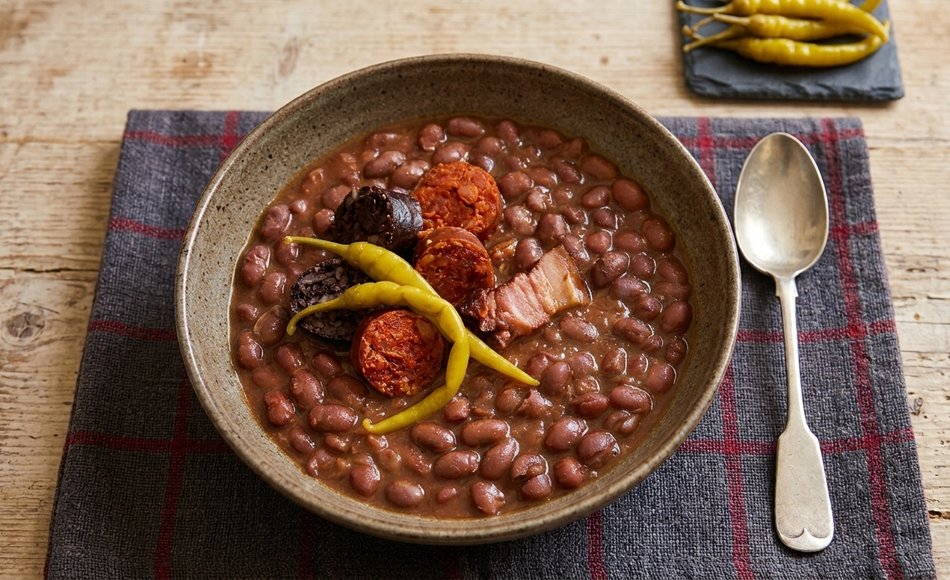
Pote asturiano is served as a single course in deep bowls, with the meats sliced and arranged over the beans, cabbage, and potatoes. It's typically served with bread to soak up the thick broth and, traditionally, with natural Asturian cider.
Recommended sides
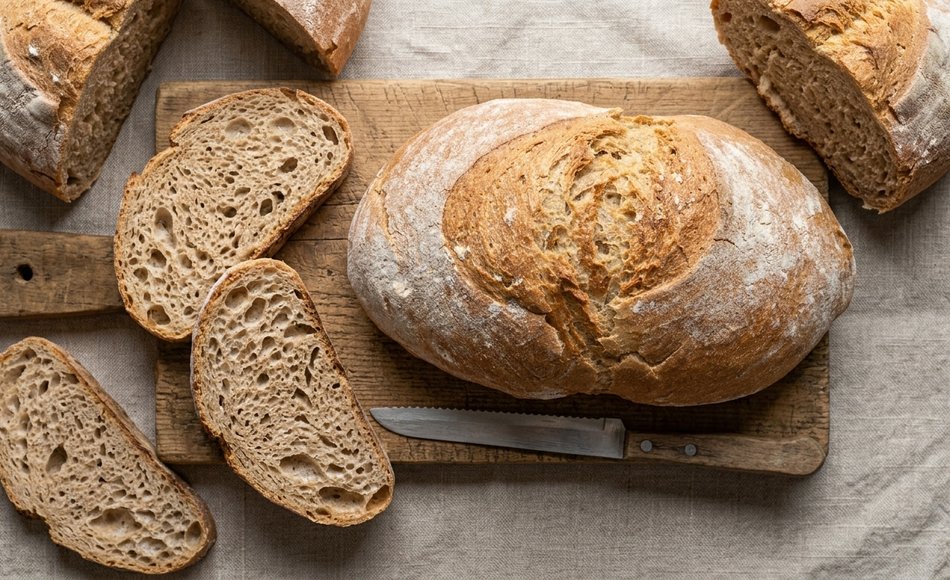
- Crusty bread for soaking up the broth
- Natural Asturian cider
- A young red wine, in some households
Origins and Tradition
Pote asturiano grew out of the subsistence economy of Asturias's mountain villages, where sausages, salt pork, and cured meats from the annual home pig slaughter were stretched out to last the whole winter. Cooking these meats together with beans and garden vegetables in a single cauldron let a family feed itself well on limited resources and plenty of slow-burning firewood, a hallmark of rural Asturian life.
While fabada asturiana is better known outside Spain, in Asturias itself pote remains the everyday dish, with fabada more often saved for special occasions.
Frequently Asked Questions
The dried white beans should soak in cold water overnight, while the lacón and ribs are soaked separately so they release their excess salt.
Adding a splash of cold water now and then keeps the beans from splitting and helps the broth thicken naturally.
They are stirred in during the last 10 minutes of cooking so they don't fall apart.
Regular green cabbage works fine without losing the spirit of the dish.
Take the pot off the heat and let it rest about 10 minutes so it thickens slightly before slicing the meats and serving.