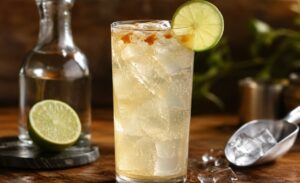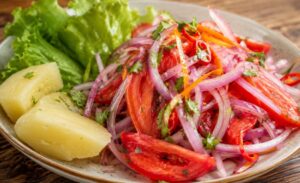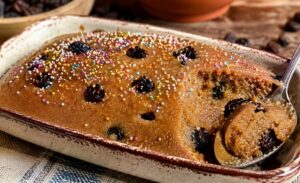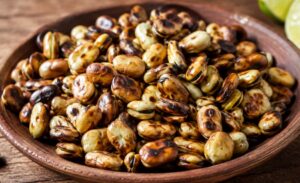

Cachina is young, partially fermented grape must traditionally enjoyed in Ica during the harvest season. It is fruity, lightly effervescent, and already contains alcohol. Careful sanitation and temperature control are essential for this small-batch home method.
This drink is part of the grape harvest celebrations in Ica, when grape-growing families make use of freshly pressed must before it continues fermenting into wine. It is drunk young, just as fermentation begins, while it still keeps some sweetness and a natural fizz.
Print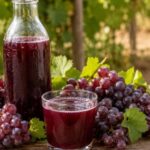
Peruvian Cachina
- Prep Time: 40 minutes
- Total Time: 72 hours 40 minutes
- Yield: 10 servings
- Category: Beverage
- Cuisine: Peruvian
Description
Young Ica-style grape must that is partially fermented and served during harvest season.
Ingredients
- 5 kg ripe Quebranta grapes (11 lb)
- 1 g wine yeast (1/4 teaspoon)
Preparation
- Prepare the grapes and equipment, wash and sanitize all equipment. Discard damaged grapes, crush the sound grapes with their skins, and place the must in a fermentation vessel without filling it to the top.
- Add the yeast, stir in the wine yeast with a sanitized spoon, and fit an airlock so gas can escape while contaminants stay out.
- Ferment and monitor, ferment in a cool, dark place for 3 to 5 days. Taste daily with a clean utensil and stop when the must remains slightly sweet, pleasantly tart, and lightly effervescent.
- Strain and chill, strain the cachina, bottle it, and refrigerate immediately. Keep it cold and consume it while young.
Chef’s Tips
- Never seal the vessel without an airlock during active fermentation because carbon dioxide pressure will build.
- Discard the batch if it develops mold, a rotten odor, or an unusual colored film.
- Fermentation produces alcohol; this beverage is for adults only.
- Keep every utensil and vessel well sanitized to avoid contamination during fermentation.
Traditional Variations
Some families in Ica let the must ferment an extra day for a more acidic, higher-alcohol cachina closer to young wine, while others stop the process earlier, when the drink is still mildly sweet with little fizz.
There are also variations made with different local grape varieties, which slightly change the color and fruit intensity of the finished drink.
How to Serve
Serve well chilled in small glasses, freshly bottled, during Ica’s grape harvest festivities. Since it’s a living beverage, it isn’t stored long — it’s meant to be drunk fresh within a few days of bottling.
Recommended Pairings
- Picarones (fried dough with syrup)
- Fresh cheese
- Seasonal harvest fruit
Did You Know?
Cachina is considered a midpoint between grape must and wine: it’s collected and drunk before fermentation finishes, so its flavor and alcohol content change from one day to the next. The tradition is closely tied to the grape harvest festivities in Ica, one of Peru’s oldest wine-growing regions.
Frequently Asked Questions
Yes. Fermentation has already produced alcohol, although the amount varies with time and temperature.
No. Cachina is consumed while the must is still young and retains sugar and natural gas; wine undergoes additional fermentation and aging stages.
It is a young beverage that should remain refrigerated and be consumed within a few days.