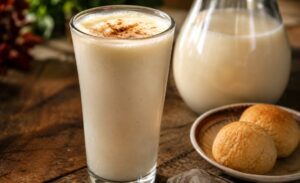
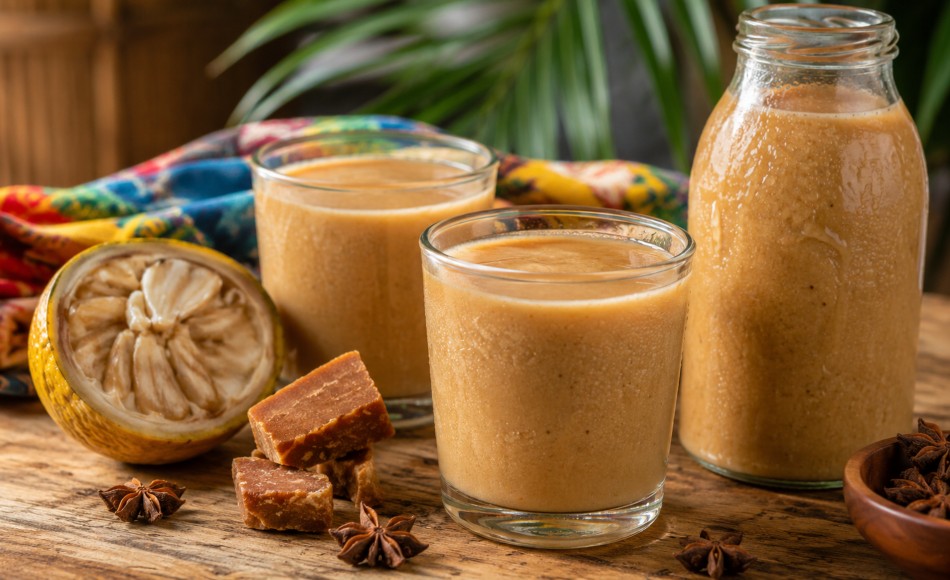
Arrechón is a traditional Colombian Pacific Coast drink made with viche, borojó fruit, panela and anise. It is one of the beverages derived from viche and is commonly shared at celebrations, family gatherings and cultural events in Afro-Colombian Pacific communities.
Every family and territory may have its own recipe, so some versions include spices, condensed milk, peanuts, chontaduro fruit or honey. This recipe follows a representative version made with viche, borojó, panela and anise, resulting in a fruity, sweet and aromatic drink.
Print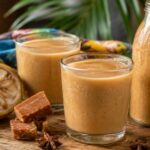
Colombian Pacific Arrechón
- Prep Time: 20 minutes
- Cook Time: 8 minutes
- Total Time: 24 hours 28 minutes
- Yield: 12
- Category: Beverage
- Cuisine: Colombian
Ingredients
- 500 ml authentic Colombian viche (2 cups)
- 250 g borojó pulp (1 cup)
- 150 g grated panela (about ¾ cup)
- 250 ml water (1 cup)
- 2 g whole anise seeds (1 teaspoon)
- 1 cinnamon stick, about 3 inches long
- 4 whole cloves
- 5 ml vanilla extract (1 teaspoon)
Preparation
- Make the syrup, combine the water, panela, anise, cinnamon stick and cloves in a small saucepan. Cook over low heat for about 8 minutes, stirring until the panela dissolves completely and forms a light syrup.
- Infuse the flavors, remove the saucepan from the heat, cover it and let the syrup rest for 15 minutes so the spices release their aroma. Strain the syrup and let it cool completely.
- Blend the arrechón, place the borojó pulp, cooled syrup and vanilla in a blender. Blend until smooth and slightly thick.
- Add the viche, transfer the mixture to a clean glass bottle or jar, add the viche and shake gently until fully combined. Do not heat the drink after adding the viche.
- Rest and serve, refrigerate the arrechón for at least 24 hours so the flavors blend. Shake gently before serving it well chilled in small cordial glasses.
Chef’s Tips
- Use ripe, unsweetened borojó pulp to preserve the traditional flavor.
- Choose viche from reliable Pacific Coast Colombian producers.
- Keep arrechón refrigerated and drink it within 5 days.
- Do not serve it to minors, pregnant people or anyone who needs to avoid alcohol.
- Shake the bottle before serving because borojó pulp may settle.
Traditional Variations
Across Colombia’s Pacific Coast, arrechón can include condensed milk, powdered milk, peanuts, chontaduro, nutmeg, cloves, cinnamon, kola granules or honey. These variations depend on family tradition and ingredients available in each territory.
Traditional Serving Style
Serve arrechón chilled in small cordial glasses or short tumblers. It is often enjoyed as an after-dinner drink at parties, community celebrations and gatherings connected to Pacific Coast culture.
The aphrodisiac qualities often associated with it are part of popular tradition and should not be understood as medically proven effects.
Recommended Pairings
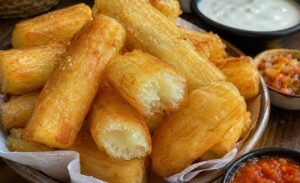
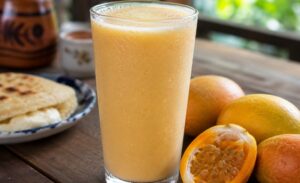
- Patacones with coastal cheese
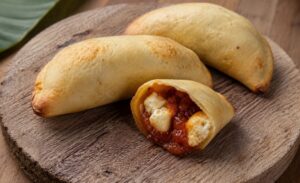
- Fish empanadas
- Corn arepas
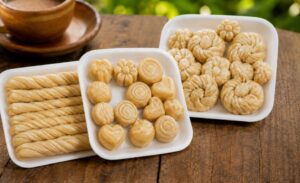
- Coconut candies
- Coconut sweets
- Coconut fish stew
History and Tradition
Arrechón is one of the traditional drinks derived from viche, a sugarcane spirit tied to the knowledge of Black communities on Colombia’s Pacific Coast. These beverages are part of cultural practices passed down through generations and are deeply connected to identity, community gatherings and territorial memory.
Frequently Asked Questions
The best-known traditional version combines viche, borojó, panela and anise. However, family recipes may also include condensed milk, cinnamon, cloves, honey, peanuts, chontaduro or other regional ingredients. The exact preparation differs by community and by the person making the drink.
Yes. Arrechón is made with viche, a sugarcane spirit from Colombia’s Pacific Coast. For that reason, it is an adults-only drink and should be consumed in moderation.
Keep it in a clean, tightly covered bottle in the refrigerator. Since it contains fruit pulp, it is best consumed within 5 days of preparation. Always check its aroma, color and texture before serving, and discard it if you notice mold, excessive gas or an unpleasant smell.
You can make a drink inspired by arrechón using other ingredients, but borojó is one of the ingredients most strongly associated with the traditional Pacific Coast version. Replacing it significantly changes the flavor, texture and cultural connection of the recipe.