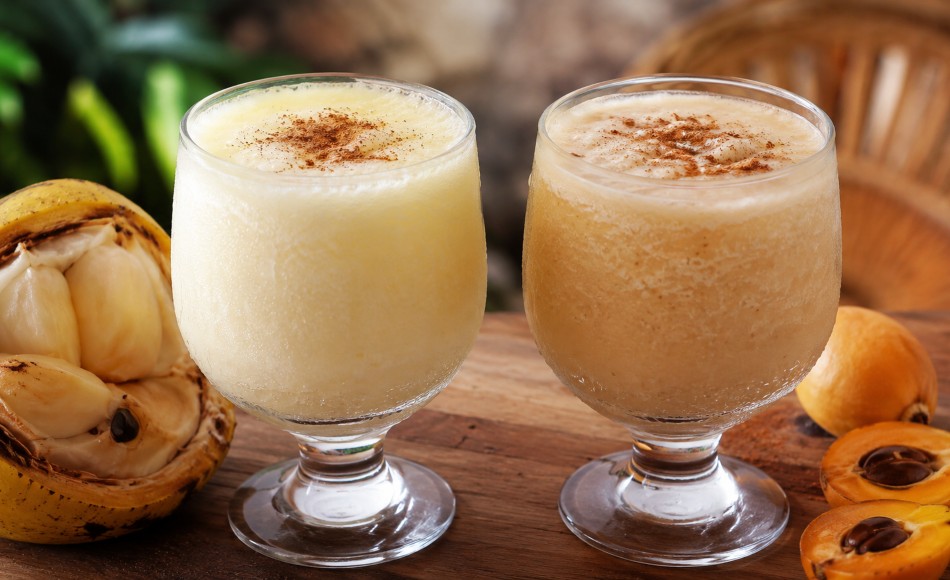
In Colombia’s Valle del Cauca region, traditional fruit sorbets are made by blending ripe fruit with water or milk, sugar, crushed ice, and often ground cinnamon. Badea sorbet is one of the best-known versions: it is served cold, light, and focused on the fragrant pulp of the fruit.
Nispero sorbet follows the same refreshing tradition, using the sweet, soft pulp of ripe nispero fruit. This recipe gives you both options separately: choose one fruit and do not combine them.
Print
Colombian Badea or Nispero Sorbet
- Prep Time: 15 minutes
- Total Time: 15 minutes
- Yield: 4
- Category: Beverage
- Cuisine: Colombian
Ingredients
For badea sorbet
- 500 g ripe badea pulp, about 1 medium badea
- 750 ml cold water, 3 cups
- 80 g granulated sugar, ⅓ cup
- 200 g crushed ice, 2 cups
- 1 g ground cinnamon, ½ teaspoon
For nispero sorbet
- 500 g ripe nispero pulp, about 7 medium nispero fruits
- 500 ml cold whole milk, 2 cups
- 250 ml cold water, 1 cup
- 50 g granulated sugar, ¼ cup
- 200 g crushed ice, 2 cups
- 1 g ground cinnamon, ½ teaspoon
Preparation
- Prepare your chosen fruit, wash the badea or nispero. For badea, open the fruit and scoop out the pulp; for nispero, cut the fruit open, remove the black seeds, and scoop out the pulp.
- Blend the base, add the selected fruit pulp to a blender. For badea sorbet, add the water and sugar; for nispero sorbet, add the milk, water, and sugar. Blend for about 30 seconds, just until combined.
- Strain the mixture, pour the drink through a coarse strainer. Press gently with a spoon to extract the liquid pulp without crushing badea seeds too much or forcing through any tough nispero pieces.
- Make it slushy, return the strained mixture to the blender, add the crushed ice, and blend in short pulses until cold, thick, and lightly slushy.
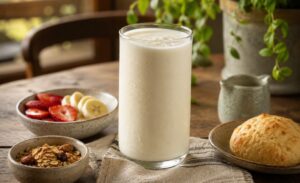
- Serve immediately, pour the sorbet into tall glasses and finish each serving with a small pinch of ground cinnamon. Serve right away while the ice and fruit aroma are at their best.
Chef’s Tips
- Use fully ripe fruit for the sweetest, most aromatic pulp.
- Do not overblend badea seeds because they can make the drink feel coarse.
- Badea sorbet is especially refreshing when made with water.
- For nispero, milk and water create a creamy texture without overpowering the fruit.
- Add ice only at the end to keep the drink properly slushy.
Traditional Variations
Valle del Cauca fruit sorbets can be made with water, milk, or a combination of both, depending on the fruit and the preferred texture. They are commonly finished with ground cinnamon and served with crushed ice.
Badea sorbet may include a few seeds when a more rustic texture is desired, as described in traditional regional preparations.
How to Serve
Serve either sorbet very cold in a tall glass or wide dessert glass. Badea sorbet is especially refreshing as an afternoon drink, while nispero sorbet is creamier and works well for breakfast or an afternoon snack.
Recommended Pairings
- Pandebono.
- Colombian cheese arepas.
- Colombian empanadas.
- Aborrajados.
- You can also enjoy either sorbet on its own.
A Culinary Fact
Colombia’s Ministry of Cultures records badea sorbet as a traditional preparation from Valle del Cauca, made with badea, water, sugar, crushed ice, and ground cinnamon. The fruit is mixed, coarsely strained, chilled, and served fresh.
Traditional Valluno sorbets are not industrial frozen desserts. They are fresh fruit drinks, blended and served with ice, where the fruit pulp and fragrance remain central to the experience.
Frequently Asked Questions
Badea sorbet is lighter, more fragrant, and more tart, so it is traditionally made with water. Nispero sorbet is sweeter and creamier, making it especially suitable for milk or a milk-and-water blend. Both are served cold with crushed ice.
Yes, although the traditional Valluno badea version is mainly associated with water, sugar, crushed ice, and cinnamon. Milk produces a creamier drink but softens the fruit’s tart, fragrant flavor.
Yes, straining is recommended. For badea, it helps manage seeds and fibers; for nispero, it removes seed remnants or tougher pulp. Use a coarse strainer so the drink keeps some of the natural fruit texture.
You can refrigerate the fruit base for a few hours, but add the ice and blend it immediately before serving. Once the drink is fully prepared, the ice melts quickly and the sorbet loses its refreshing slushy texture.