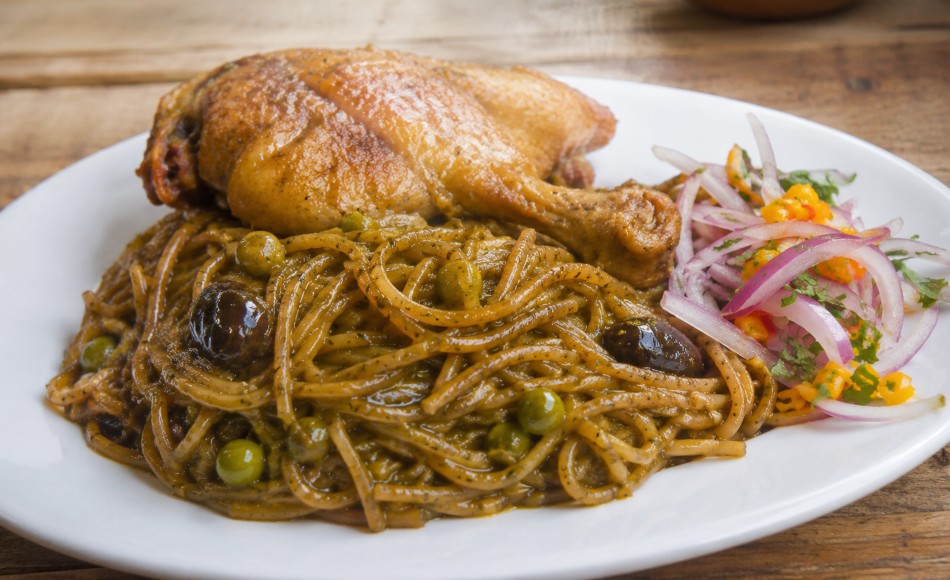
Sopa seca chinchana is one of the best-known dishes from Chincha, a coastal city in southern Peru. Despite its name, it is not a soup. It is a flavorful noodle dish cooked in a concentrated blend of cilantro, basil, ají panca, and chicken broth until the noodles absorb nearly all the liquid.
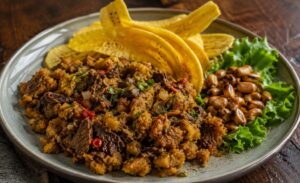
It is closely connected to Chincha’s Afro-Peruvian food tradition and is often served with carapulcra, a pairing commonly known as manchapecho. Sopa seca can also be served on its own with chicken and salsa criolla, especially at family lunches, celebrations, and weekend gatherings.
Print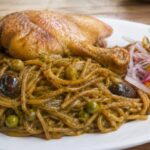
Chincha Sopa Seca
- Prep Time: 30 minutes
- Cook Time: 55 minutes
- Total Time: 1 hour 25 minutes
- Yield: 6
- Category: Main Course
- Cuisine: Peruvian
Ingredients
- 1 kg bone-in chicken pieces (6 medium pieces)
- 2.5 liters water
- 15 g salt (2½ teaspoons)
- 3 g ground black pepper (¾ teaspoon)
- 60 ml vegetable oil (¼ cup)
- 180 g chopped red onion (1 large onion)
- 20 g minced garlic (5 cloves)
- 60 g ají panca paste (4 tablespoons)
- 30 g ají amarillo paste (2 tablespoons)
- 80 g fresh cilantro leaves and tender stems (1½ packed cups)
- 30 g fresh basil leaves (1 packed cup)
- 20 g fresh parsley (½ cup)
- 120 ml water (½ cup)
- 5 g ground cumin (2 teaspoons)
- 5 g dried oregano (1 teaspoon)
- 2 g ground annatto (½ teaspoon)
- 500 g spaghetti or long noodles (1 package)
- 250 g cooked peas (1½ cups)
- 80 g pitted black olives (½ cup)
- 30 ml vegetable oil (2 tablespoons)
- 150 g thinly sliced red onion (1 medium onion)
- 30 ml fresh lime juice (2 tablespoons)
- 15 g chopped fresh cilantro (¼ cup)
- 20 g seeded, finely chopped ají amarillo (1 small pepper)
Preparation
- Cook the chicken and save the broth, place the chicken pieces in a large pot with the water, 8 g of salt, and 1 g of black pepper. Cook over medium heat for 35 to 40 minutes, until the chicken is tender and fully cooked. Remove the chicken, strain the broth, and reserve 1.2 liters for the noodles.
- Blend the herbs, add the cilantro, basil, parsley, and 120 ml of water to a blender. Blend until smooth and bright green, then set aside. This herb mixture gives sopa seca its characteristic color and aroma.
- Make the flavor base, heat the 60 ml of oil in a wide pot and sauté the onion for 5 minutes, until soft. Add the garlic, ají panca paste, ají amarillo paste, cumin, oregano, annatto, remaining 7 g of salt, and remaining 2 g of black pepper. Cook for 4 minutes, stirring, until the mixture is fragrant, dark, and well combined.
- Add the herbs and broth, stir the blended herb mixture into the flavor base and cook for 3 minutes over medium heat. Pour in the reserved chicken broth, mix well, and bring it to a gentle simmer so the flavors come together.
- Cook the noodles, break the noodles in half and add them to the broth with the peas and black olives. Cook over medium-low heat for 12 to 15 minutes, stirring gently from time to time, until the noodles are tender and have absorbed most of the liquid. They should be moist and flavorful, not soupy.
- Finish and serve, return the chicken pieces to the pot during the final 3 minutes to warm through. Combine the sliced red onion with the 30 ml of oil, lime juice, cilantro, ají amarillo, and a pinch of salt to make salsa criolla. Serve the sopa seca hot with one chicken piece and salsa criolla on the side.
Chef’s Tips
- Use fresh cilantro and basil for the deep green color and classic aroma of Chincha-style sopa seca.
- Cook the noodles directly in the seasoned broth so they absorb flavor from the inside.
- Keep the heat moderate once you add the noodles and stir gently to prevent sticking.
- Do not let the noodles dry out completely; sopa seca should remain moist and tender.
- Keep a little hot chicken broth nearby in case the noodles absorb too much liquid before serving.
- Make the salsa criolla at the end so the onion stays crisp and the lime flavor remains fresh.
Traditional Variations
In Chincha, sopa seca may be served by itself or alongside carapulcra to form the classic manchapecho. Some families use hen instead of chicken for a more intense broth, while others add a small amount of red wine to the flavor base. The noodles, cilantro, basil, ají panca, and broth remain the defining elements.
How to Serve
Serve Chincha-style sopa seca hot on a wide plate with one chicken piece and a serving of salsa criolla. The most traditional Chincha presentation includes a portion of carapulcra placed beside the noodles, allowing both dishes to be enjoyed together without fully mixing them.
Recommended Accompaniments
- Chincha-style carapulcra.
- Onion and chili salsa criolla.
- Boiled cassava.
- Chilled chicha morada.
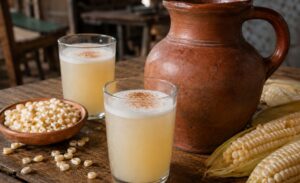
- Chicha de jora.
A Little History
Sopa seca is an important expression of Chincha’s cuisine, where Indigenous, Spanish, and Afro-Peruvian traditions come together in generous and deeply flavored dishes. Its name refers to the way the noodles absorb the broth during cooking until the dish becomes nearly dry while still remaining moist.
The pairing of sopa seca and carapulcra is one of Chincha’s most recognized culinary combinations. The popular name manchapecho refers to this abundant double serving, traditionally enjoyed at celebrations and family lunches.
Frequently Asked Questions
It is called sopa seca because the noodles cook directly in seasoned broth and absorb almost all of the liquid. The final dish should not be dry like baked pasta. Instead, it should be moist and tender, with noodles fully flavored by cilantro, basil, ají panca, and chicken broth.
It is not the best choice for a traditional result. The noodles should cook in the seasoned broth so they absorb flavor while softening. Using pre-cooked pasta will produce something closer to noodles tossed in sauce and will not have the characteristic texture of Chincha-style sopa seca.
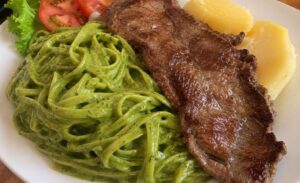
Both dishes can have a green color from herbs, but sopa seca cooks in chicken broth with ají panca, ají amarillo, and a more concentrated savory base. Peruvian green spaghetti is usually made with a basil-and-spinach sauce blended with cheese and milk, influenced by Italian-style pesto.
Not always. You can serve it as a main dish with chicken and salsa criolla. However, serving it with carapulcra is one of the most traditional and celebrated ways to enjoy it in Chincha. Together, they form the well-known manchapecho, a generous regional specialty.