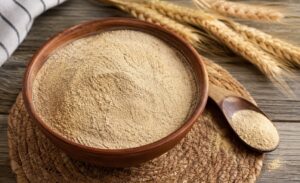
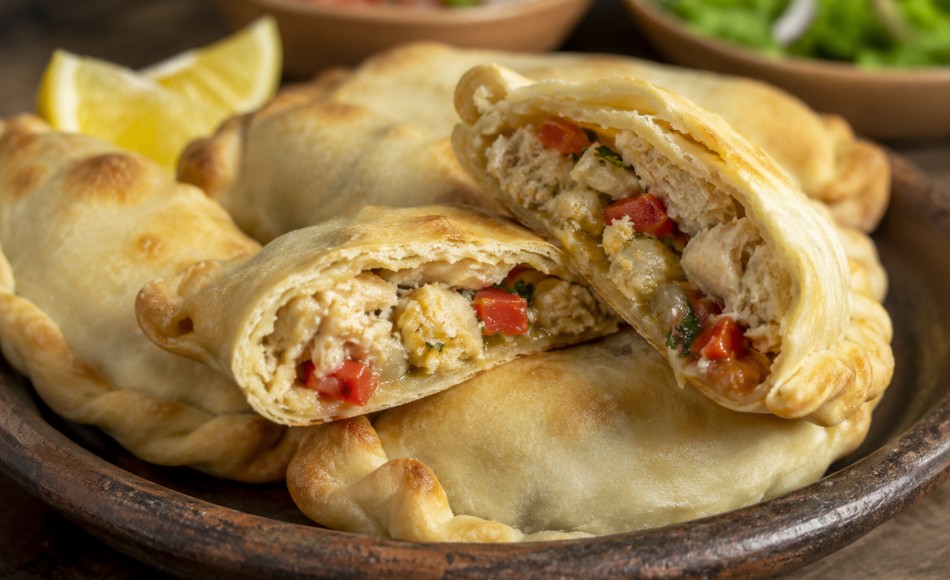
Empanada correntina is a specialty of Argentina’s Litoral region, with strong Guaraní influence, standing out for using cassava instead of wheat flour for the dough, since wheat wasn’t available in the region in earlier times.
The traditional filling includes river fish such as dorado, surubí, or pacú, though it’s also made with beef, reflecting the richness of Corrientes’ rivers.
Print
Argentine Cassava Empanada
- Prep Time: 40 minutes
- Cook Time: 30 minutes
- Total Time: 1 hour 10 minutes
- Yield: 10 empanadas
- Category: Appetizer
- Cuisine: Argentine
Ingredients
- 1 kg of cassava (yuca), peeled (about 2.2 lb)
- Salt (for boiling the cassava), to taste
- 500 g of river fish fillets (dorado, surubí, or pacú), in pieces (about 1.1 lb, can be substituted with beef)
- 1 onion, chopped
- 1 bell pepper, chopped
- 3 tablespoons of oil
- Salt, pepper, and parsley, to taste
Preparation
- Boil the cassava, cook the peeled cassava in salted water until very tender.
- Form the dough, drain the cassava and mash it in a bowl until you get a smooth, workable dough.
- Prepare the filling, in a skillet with oil, sauté the onion and bell pepper until soft.
- Cook the fish, add the fish in pieces (or the beef, depending on the version) and cook until fully done, shredding if needed.
- Season, add salt, pepper, and parsley, mixing well, and let the filling cool.
- Assemble, take portions of the cassava dough, form discs about 9 to 10 cm (3.5 to 4 in) in diameter, and place the filling in the center.
- Close, fold the dough over the filling and press the edges firmly to seal.
- Bake, cook in a moderate oven until the dough is firm and lightly golden.
Tips for getting it right
- The cassava needs to be very tender when boiled so it forms a smooth, lump-free dough.
- If using fish, shred it well so the filling distributes evenly inside each empanada.
- Seal the edges well: cassava dough is more fragile than traditional wheat dough and can open up if not properly closed.
- Letting the filling cool before assembling makes the dough easier to handle.
Traditional variations
- They’re made with either river fish or beef, depending on availability and family tradition.
- In some areas, a bit of cheese is added to the filling for extra creaminess.
How to serve
Empanada correntina is served hot, freshly baked, as an appetizer or main dish.
It’s common at family gatherings in Argentina’s Litoral region, alongside other cassava-based dishes.
Recommended sides
- Simple salad
- Lemon
- Salsa criolla
Did you know?
Empanada correntina has strong Guaraní roots: in times when wheat wasn’t available in the region, the dough was traditionally made with cassava and corn.
Using river fish like dorado, surubí, or pacú reflects Corrientes cuisine’s close relationship with the great rivers of Argentina’s Litoral region.
Frequently Asked Questions
It's a traditional empanada from the province of Corrientes, in northeastern Argentina, made with a dough of cassava (mandioca) instead of wheat flour and filled with river fish, reflecting the region's proximity to the Paraná River.
Cassava is a staple crop in the Litoral region of Argentina, and its starchy, slightly sticky texture when cooked and mashed creates a distinctive dough that's naturally gluten-free, different from the flakier wheat-based empanadas found elsewhere in the country.
River fish native to the Paraná basin, such as surubí or dorado, are traditionally used, though other firm white fish can be substituted if those aren't available. The fish is typically cooked and flaked before being mixed with a sautéed onion base.