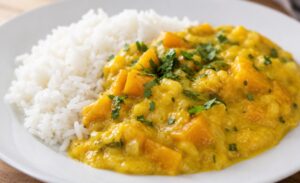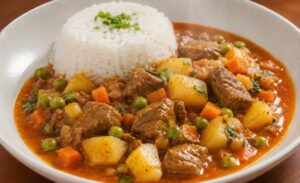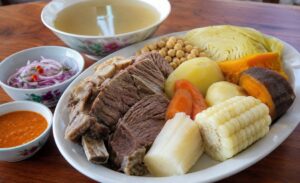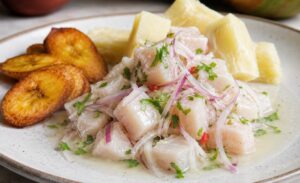

Carapulcra is one of Peru’s oldest and most iconic stews. To make it in the traditional style, you use dried potatoes, pork, Peruvian chile pastes, and peanuts, which create its deep color, rich aroma, and thick texture. Its history brings together Andean roots with influences from Creole and Afro-Peruvian cooking.
While regional variations exist, this recipe follows the most widely recognized Peruvian version made with dried potatoes and pork. You will often find it at family lunches, large gatherings, and celebrations, especially along Peru’s central and southern coast.
Print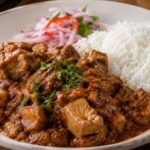
Peruvian Carapulcra
- Prep Time: 30 minutes
- Cook Time: 1 hour 15 minutes
- Total Time: 1 hour 45 minutes
- Yield: 6
- Category: Main Course
- Cuisine: Peruvian
Ingredients
- 500 g dried potatoes for carapulcra (about 4 cups)
- 700 g pork, cut into medium cubes (pork leg or pork belly with excess fat removed)
- 200 g red onion, finely chopped (1 large onion)
- 20 g garlic, minced or blended (4 cloves)
- 60 g ají panca paste (4 tablespoons)
- 30 g ají mirasol paste (2 tablespoons)
- 120 g roasted peanuts, finely ground (1 cup)
- 1.2 liters pork or chicken stock (5 cups)
- 30 ml vegetable oil (2 tablespoons)
- 4 g ground cumin (1 teaspoon)
- 2 g ground black pepper (½ teaspoon)
- 2 g ground cloves (¼ teaspoon)
- 1 cinnamon stick
- 8 g salt (1½ teaspoons), or to taste
- 50 g crushed saltine crackers (about 8 crackers)
- 15 g fresh parsley, chopped (3 tablespoons)
Preparation
- Toast and soak the dried potatoes, place the dried potatoes in a wide skillet and toast them over medium heat for 4 to 5 minutes, stirring often so they do not burn. Transfer them to a bowl, cover with hot water, and let them soak for 30 minutes to soften slightly.
- Brown the pork, heat the oil in a heavy pot and add the pork cubes seasoned with salt, black pepper, and cumin. Brown the meat on all sides until it develops a deep golden surface. Remove the pork and keep the flavorful drippings in the pot.
- Make the seasoning base, add the onion and cook it over medium heat until soft and translucent. Add the garlic, ají panca paste, and ají mirasol paste. Cook for about 8 minutes, stirring often, until the mixture turns dark, glossy, and aromatic.
- Cook the carapulcra, return the pork to the pot and add the drained dried potatoes, hot stock, cinnamon stick, and ground cloves. Stir well, partially cover the pot, and cook over low heat for 45 to 55 minutes. Stir occasionally to keep the potatoes from sticking to the bottom.
- Thicken and season, stir in the ground peanuts and crushed saltine crackers. Cook uncovered for 8 to 10 more minutes, until the stew becomes thick, dark, and creamy. Taste and adjust the salt; the dried potatoes should be tender while still holding their shape.
- Finish and serve, remove the cinnamon stick, stir in the chopped parsley, and let the carapulcra rest for 5 minutes before serving. This short resting time helps the flavors settle and gives the stew its traditional consistency.
Chef’s Tips
- Toast the dried potatoes only until they smell fragrant. Over-toasting can make the stew taste bitter.
- Use hot stock so the potatoes cook steadily and absorb flavor evenly.
- Grind the peanuts finely, but do not process them into a paste; a slightly coarse texture helps create the right body.
- Cook over low heat and stir with a wooden spoon, especially toward the end when the stew thickens quickly.
- Let the dish rest before serving. It develops a fuller texture and deeper flavor as it settles.
Traditional Variations
In Chincha and Cañete, carapulcra is commonly served with sopa seca, a seasoned noodle dish; together, the combination is popularly called “mancha pecho.” Traditional Peruvian versions with chicken or hen also exist, although pork and dried potatoes remain among the most representative ingredients.
How to Serve It
Serve carapulcra hot in shallow bowls or deep plates. Pair it with fluffy white rice and, in some Peruvian homes, boiled yuca. For a classic southern coastal presentation, serve it beside a portion of sopa seca.
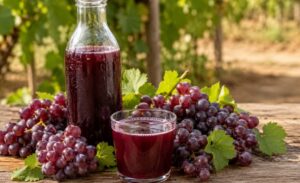
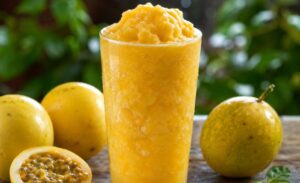
Enjoy it with chicha morada, passion fruit juice, or a chilled barley drink.
Recommended Side Dishes
- Fluffy white rice
- Boiled yuca
- Chincha-style sopa seca
- Peruvian onion salad with lime
- Chicha morada
A Note on Its Origins
The name carapulcra is linked to an ancient Andean preparation associated with cooking food using hot stones. Over time, the dish adopted ingredients and techniques from different periods of Peruvian history, becoming the richly seasoned stew you know today.
Its use of dried potatoes is deeply meaningful: drying potatoes made it possible to preserve them for long periods, reflecting longstanding Andean food-preservation knowledge. Carapulcra remains a dish of family memory, celebration, and shared cooking.
Frequently Asked Questions
Dried potatoes are dehydrated potatoes traditionally used in Peruvian cooking, especially in thick stews such as carapulcra. You can find them in Peruvian markets, Latin American grocery stores, or specialty food shops. Toast them gently and soak them before cooking so they hydrate evenly and develop their best texture.
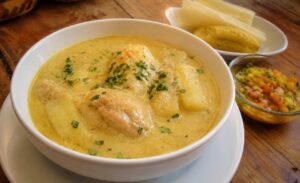
Yes. Traditional Peruvian versions made with chicken or hen are common in some households. However, pork carapulcra is one of the best-known styles, especially when prepared with dried potatoes, ají panca, ají mirasol, and ground peanuts. Chicken creates a lighter, milder stew, while pork gives a richer flavor.
Add hot stock little by little while the stew cooks, especially if the dried potatoes absorb liquid before they become tender. Keep in mind that ground peanuts and crushed crackers thicken the dish significantly near the end. Let the stew look slightly looser before resting, since it will continue thickening.
Yes. Carapulcra often tastes even better the next day because the chile pastes, peanuts, and spices have more time to blend. Store it in a covered container in the refrigerator for up to 3 days. Reheat gently over low heat, adding a splash of hot stock or water as needed.