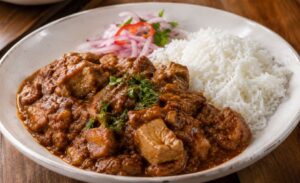
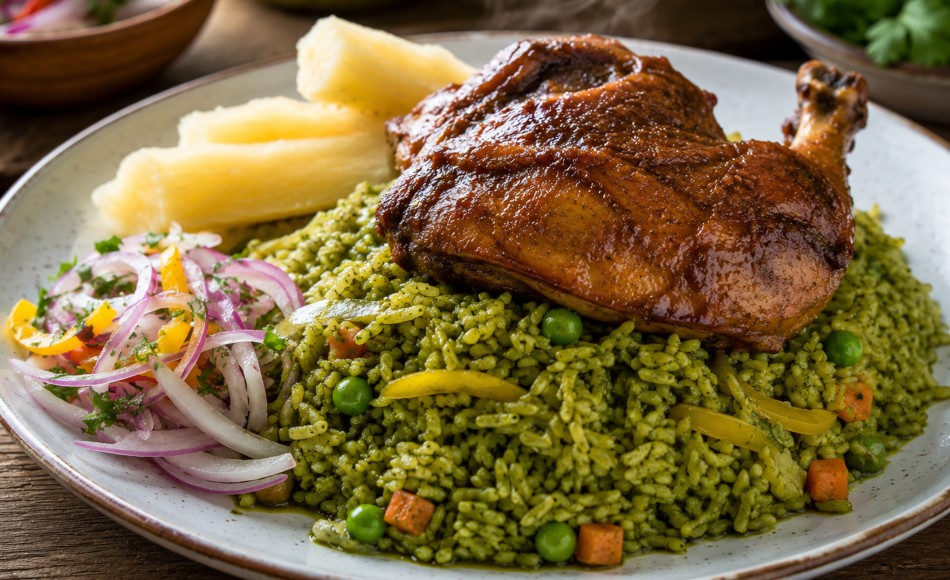
Northern Peruvian duck and rice, also known as Chiclayo-style duck and rice, is one of the signature dishes of Lambayeque and Peru’s northern coastal cuisine. It features browned duck pieces, cilantro-green rice, dark beer, ají amarillo, peas, and loche squash, a regional ingredient with a lightly sweet and distinctive aroma.
It is a celebratory dish commonly served at family gatherings, with a generous duck portion over moist, fluffy rice. The Chiclayo version stands out for its use of dark beer, cilantro, and loche squash, a combination that expresses the culinary identity of Lambayeque.
Print
Peruvian Duck and Rice
- Prep Time: 35 minutes
- Cook Time: 1 hour 40 minutes
- Total Time: 2 hours 15 minutes
- Yield: 8
- Category: Main Course
- Cuisine: Peruvian
Ingredients
- 2.2 kg duck, cut into 8 bone-in pieces
- 12 g salt (2 teaspoons), divided
- 4 g ground black pepper (1 ½ teaspoons)
- 5 g ground cumin (1 ½ teaspoons)
- 30 g garlic paste (2 tablespoons)
- 60 ml vegetable oil (4 tablespoons)
- 250 g red onion, finely chopped (2 medium onions)
- 60 g ají amarillo paste (4 tablespoons)
- 30 g ají panca paste (2 tablespoons)
- 180 g grated loche squash (1 ½ cups)
- 120 g red bell pepper, diced (1 medium pepper)
- 120 g fresh cilantro, blended with 120 ml water (1 packed cup)
- 500 ml dark beer (2 cups)
- 1.25 liters hot duck stock or chicken stock (5 cups)
- 750 g long-grain rice (4 cups)
- 180 g fresh or frozen peas (1 ½ cups)
- 120 g carrots, cut into small cubes (1 large carrot)
- 50 g fresh ají amarillo, cut into strips (2 medium peppers)
- 15 g fresh cilantro, chopped (¼ cup)
- 1 bay leaf
For the salsa criolla
- 200 g red onion, thinly sliced (2 medium onions)
- 40 g fresh ají amarillo, cut into thin strips (1 medium pepper)
- 45 ml fresh lime juice (3 tablespoons)
- 15 ml vegetable oil (1 tablespoon)
- 3 g salt (½ teaspoon)
- 10 g fresh cilantro, chopped (2 tablespoons)
Preparation
- Season and brown the duck, season the duck pieces with 8 g of salt, black pepper, cumin, and half of the garlic paste. Let them rest for 30 minutes. Heat the oil in a wide, heavy-bottomed pot and brown the duck on both sides for 10 to 12 minutes, until deeply golden. Remove the pieces and set them aside.
- Make the northern-style seasoning base, in the same pot, cook the onion for 6 minutes until translucent. Add the remaining garlic, ají amarillo paste, ají panca paste, loche squash, red bell pepper, and bay leaf. Cook for 5 minutes, stirring until the mixture is glossy and fragrant.
- Cook the duck, add the dark beer, blended cilantro, and 750 ml of hot stock (3 cups). Stir, return the duck to the pot, cover, and cook over low heat for 50 to 60 minutes, until tender. Carefully remove the duck pieces and keep them covered so they stay warm.
- Measure the cooking liquid for the rice, remove the bay leaf and measure the liquid left in the pot. Add enough hot stock to make 1.5 liters of liquid (6 cups). Taste and adjust the salt; the broth should be slightly more seasoned than usual because it will flavor the entire rice.
- Cook the green rice, add the rice, peas, carrots, and ají amarillo strips. Stir only once, bring to a boil over medium heat, and cook uncovered for 10 to 12 minutes, until most of the liquid has been absorbed. Reduce the heat to very low, cover the pot, and cook for 18 more minutes, until the rice is tender and fluffy.
- Warm the duck with the rice, arrange the duck pieces over the rice during the last 8 minutes of cooking so they warm through and absorb some of the cilantro aroma. Turn off the heat and let the pot rest, covered, for 10 minutes before fluffing the rice with a fork.
- Make the salsa criolla and serve, combine the onion, ají amarillo, lime juice, oil, salt, and cilantro. Serve a generous portion of rice with one duck piece and fresh salsa criolla on the side.
Chef’s tips
- Use criollo duck when available because its meat and fat create a richer flavor than commercially raised duck.
- Brown the duck thoroughly before cooking the rice; this develops the savory base that gives the dish its character.
- Grate the loche squash with its well-washed skin, since much of its aroma is concentrated there.
- Avoid stirring the rice repeatedly while it cooks. This keeps the grains separated and prevents a mushy texture.
- Let the rice rest before serving so it finishes absorbing the liquid and the flavors settle.
Traditional variations
In northern Peru, some families marinate duck in chicha de jora before browning it, while others make the stew mainly with dark beer. The amounts of cilantro, loche squash, and ají amarillo may also vary by town or family recipe, but green rice, duck, and salsa criolla remain central to the Chiclayo-style version.
How to serve
Serve duck and rice immediately, on a wide plate with a base of green rice and one duck piece on top. Add a portion of salsa criolla on the side for freshness and acidity.
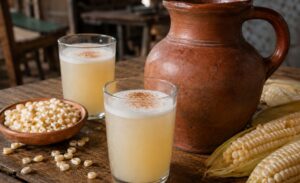
In Lambayeque, it is often paired with a cold drink such as chicha morada or chicha de jora and shared at weekend family lunches or celebrations.
Recommended accompaniments
- Red onion and ají amarillo salsa criolla.
- Boiled cassava.
- Cold chicha morada.
- Unsweetened chicha de jora.
Origin and tradition
Duck and rice is one of Lambayeque’s most representative dishes and is deeply connected to Chiclayo’s culinary tradition. Historical references to the dish date to the nineteenth century, although duck consumption in Peruvian territory goes back to pre-Hispanic cultures.
The use of loche squash, cilantro, and dark beer shows how northern Peruvian cooking transformed regional ingredients and slow-cooking techniques into a dish with a distinct identity. It remains a symbol of Lambayeque’s festive table and regional cuisine.
Frequently Asked Questions
Criollo duck is the most traditional choice because it has firmer meat, richer fat, and a more pronounced flavor. You can also use commercially raised duck, but cook it gently over low heat until tender. Bone-in pieces help create a fuller, more flavorful broth for the rice.
Loche squash has a unique aroma and is one of the ingredients that identifies the northern Peruvian version. When you cannot find it, use grated butternut squash or kabocha squash, although the result will be less authentic. Do not leave out the squash entirely because it provides softness, color, and balance to the seasoning base.
Both versions exist in northern Peru. Dark beer is especially common in contemporary Chiclayo-style recipes and adds color, gentle sweetness, and depth to the stew. Chicha de jora appears in more traditional recipes and in some marinades. Use either one, but avoid sweet or very light drinks.
Measure the cooking liquid before adding the rice and use about 2 cups of broth for every cup of rice. Cook uncovered first until the liquid reduces, then cover and finish over very low heat. Do not stir while it cooks, and let it rest before serving.
You can cook the duck and seasoning base one day ahead because the flavors blend well during resting. Cook the rice on the day you plan to serve it so it stays fluffy. Reheat the duck gently over low heat with some of its sauce before placing it over the rice.