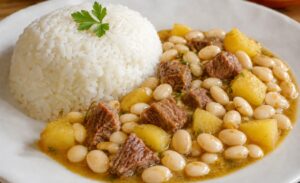
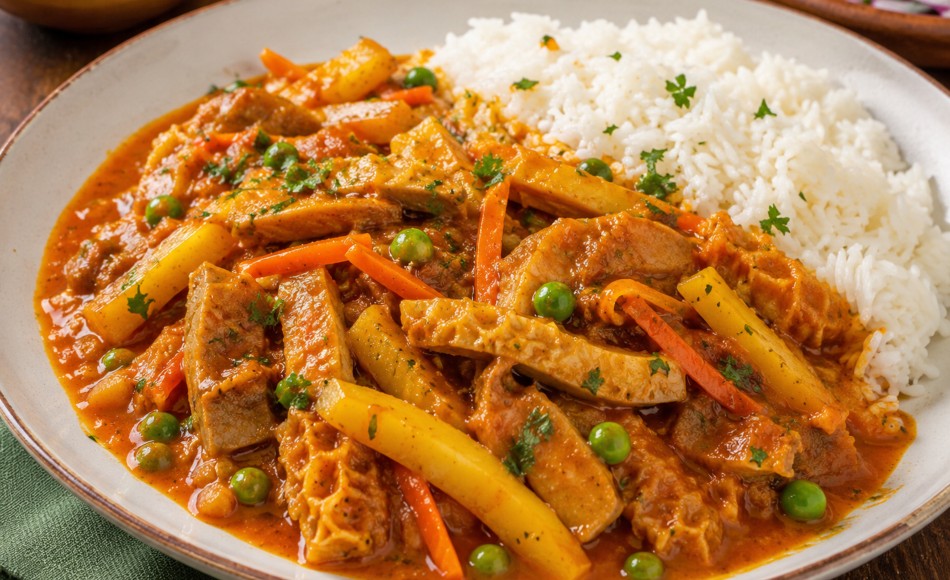
Mondonguito a la italiana is a classic dish from Peruvian criollo cuisine, made with beef tripe cut into thin strips and cooked in a savory sauce of onion, tomato, ají amarillo, carrots, peas, and herbs. Its name reflects Italian influence in Lima’s cooking, adapted with distinctly Peruvian ingredients and flavors.
It is a familiar family lunch dish and a staple of criollo-style restaurants. Serve it hot, usually with fluffy white rice, and aim for tender tripe in a thick, juicy sauce that brings together the vegetables and seasonings.
Print
Peruvian Mondonguito a La Italiana
- Prep Time: 25 minutes
- Cook Time: 2 hours 10 minutes
- Total Time: 2 hours 35 minutes
- Yield: 6
- Category: Main Course
- Cuisine: Peruvian
Ingredients
- 1 kg cleaned beef tripe (about 2.2 lb)
- 2.5 liters water (10 cups)
- 150 g chopped red onion (1 large onion)
- 20 g garlic paste (4 garlic cloves)
- 200 g peeled and chopped tomatoes (2 medium tomatoes)
- 45 g ají amarillo paste (3 tablespoons)
- 30 g ají panca paste (2 tablespoons)
- 150 g carrot, cut into thin strips (1 large carrot)
- 150 g fresh or frozen peas (1 cup)
- 300 g white potatoes, cut into thick sticks (3 medium potatoes)
- 30 ml vegetable oil (2 tablespoons)
- 10 g chopped fresh parsley (¼ cup)
- 5 g dried oregano (1 teaspoon)
- 5 g ground cumin (1 teaspoon)
- 2 bay leaves
- 8 g salt (1½ teaspoons)
- 3 g ground black pepper (½ teaspoon)
- 500 ml tripe cooking broth (2 cups)
- 400 g cooked white rice (4 cups)
Preparation
- Cook the tripe, rinse the tripe well, place it in a pot with the 2.5 liters of water and bay leaves, and cook over medium heat for 1 hour and 30 minutes, until tender. Remove it, reserve 500 ml of the broth, and let it cool slightly before cutting it into thin strips.
- Make the seasoning base, heat the oil in a wide pot and cook the onion for 5 minutes, until translucent. Add the garlic, ají amarillo paste, ají panca paste, cumin, oregano, and black pepper, then cook for 4 minutes until fragrant.
- Add the tomatoes, stir in the chopped tomatoes and cook for 6 minutes, until they break down partially and form a thick sauce. Add the sliced tripe and mix so it absorbs the flavors of the seasoning base.
- Cook the stew, pour in the reserved broth, add the carrot, and cook over medium heat for 12 minutes. Add the potatoes and peas, cover the pot partly, and cook for 15 more minutes, until the potatoes are tender and the tripe is well coated in sauce.
- Adjust the texture, taste for salt and cook uncovered for a few more minutes if the sauce is too thin. The mondonguito should be juicy but not soupy, with tender vegetables and a lightly thickened sauce.
- Finish and serve, stir in the chopped parsley, let the stew rest for 5 minutes, and serve it hot with fluffy white rice.
Chef’s tips
- Cook the tripe until it is fully tender before slicing; if it is still firm, continue cooking in 15-minute intervals.
- Slice it into even, thin strips so it absorbs the sauce more effectively and has a pleasant texture.
- Use both ají amarillo and ají panca for balanced flavor, color, and gentle heat.
- Do not overcook the peas; they should remain green and tender.
- When reheating, add a splash of broth to restore the stew’s juicy consistency.
Traditional variations
Some families add grated Parmesan cheese at the end as a nod to the dish’s Italian influence. Other versions include a little white wine in the seasoning base or replace part of the potatoes with sliced green beans.
Some cooks also add a small amount of basil or extra bay leaf, although the best-known version keeps ají amarillo, tomatoes, carrots, peas, and tripe at the center of the dish.
How to serve
Serve mondonguito a la italiana in deep bowls or wide plates, with a portion of fluffy white rice on the side. The stew should include enough sauce to blend into the rice while allowing the vegetables to keep their texture.
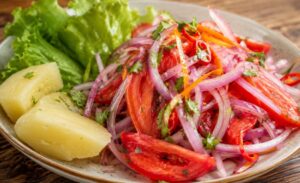
Serve it with salsa criolla, ground chili sauce, or a fresh onion-and-tomato salad. Chicha morada or Peruvian-style lemonade complement the dish’s savory, spiced flavor.
Recommended accompaniments
- Fluffy white rice
- Salsa criolla
- Ground ají amarillo
- Onion and tomato salad
- Chicha morada
- Peruvian-style lemonade
Food tradition
Mondonguito a la italiana shows how Peruvian cooking transformed migrant influences into dishes of its own. While the name recalls Italian tradition, the use of ají amarillo, ají panca, and white rice gives the dish a clearly criollo identity.
Tripe was long considered a humble ingredient, yet it became the centerpiece of valued dishes because of its flavor, texture, and the culinary tradition of making full use of the animal.
Frequently Asked Questions
Mondongo is beef tripe, an edible part of the cow’s stomach that needs long cooking to become tender. In mondonguito a la italiana, it is cut into thin strips after simmering and finished in a sauce with Peruvian chili peppers, tomatoes, and vegetables. When cooked properly, it is tender and absorbs the stew’s flavors very well.
Clean it well and cook it long enough before adding it to the sauce. Depending on its quality and thickness, tripe may need between 1 hour and 30 minutes and 2 hours of cooking. It should feel tender when pierced with a fork before you slice it into strips.
Some home-style versions add grated Parmesan cheese at the end, especially because of the Italian influence associated with the dish. However, it is not essential. The traditional Peruvian base is recognized by tripe cooked with ají amarillo, tomatoes, carrots, peas, and potatoes, served with white rice.
Yes. Its flavor often improves after resting because the tripe absorbs more sauce. Store it in an airtight container in the refrigerator for up to 3 days. Reheat over low heat and add a little broth or hot water if the sauce has become too thick.