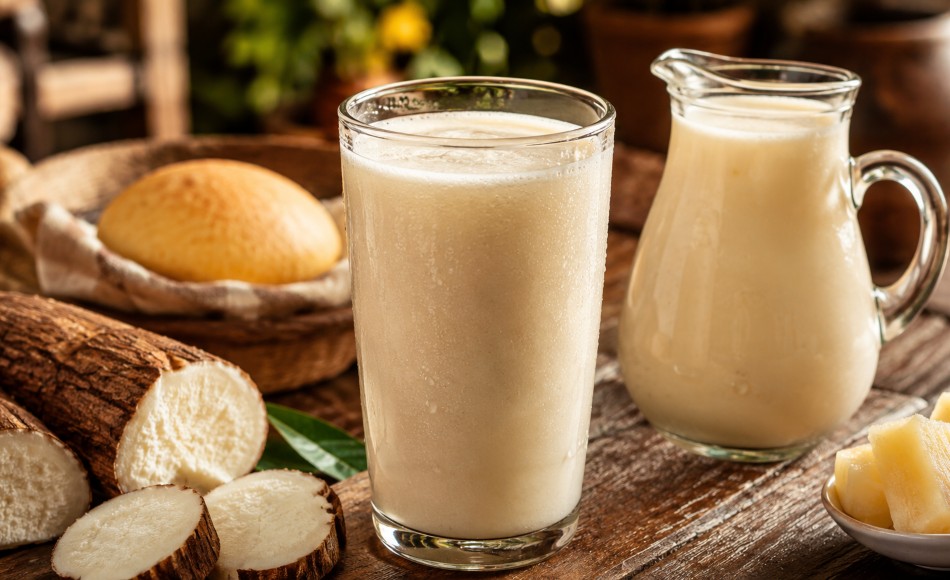
Cassava masato is an artisanal drink with Indigenous roots, made from cooked and fermented cassava. While rice masato is the best-known version in Colombia’s Cundiboyacense highlands, cassava-based variations are also part of the country’s rural food traditions and regional culinary diversity.
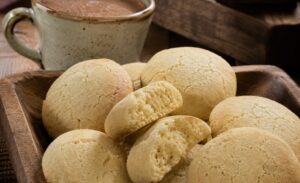
It has a mild, refreshing flavor with a gentle tang and a lighter texture than rice masato. It is usually served cold with empanadas, pandeyuca, almojábanas or other traditional Colombian baked snacks.
Print
Colombian Cassava Masato
- Prep Time: 20 minutes
- Cook Time: 45 minutes
- Total Time: 1 hour 5 minutes
- Yield: 8
- Category: Beverage
- Cuisine: Colombian
Ingredients
- 1 kg fresh cassava, peeled (about 2 large cassavas)
- 2.5 liters water (10 cups)
- 300 g grated panela (about 1 ½ cups)
- 1 cinnamon stick, about 3 inches long
- 4 whole cloves
- 5 g ground cinnamon (1 teaspoon)
Preparation
- Cook the cassava, cut the cassava into medium pieces, remove the woody center and place it in a pot with 2 liters of water. Cook over medium heat for 35 to 45 minutes, until very tender and easy to mash with a fork.
- Make the panela syrup, place the panela, remaining 500 ml of water, cinnamon stick and cloves in a small saucepan. Cook over low heat for about 8 minutes, until the panela fully dissolves. Let the syrup cool.
- Blend the drink, remove the cinnamon and cloves from the syrup. Blend the cooked cassava with part of its cooking liquid until smooth and creamy. Work in batches so you do not overcrowd the blender.
- Sweeten the mixture, transfer the blended cassava to a large pitcher, add the cooled panela syrup and stir in the ground cinnamon. Mix well and let it cool completely to room temperature.
- Ferment the masato, cover the pitcher with a clean cloth and leave it at room temperature for 24 to 48 hours. Taste it after 24 hours for a sweeter and milder drink. Let it ferment longer for a tangier, more pronounced flavor.
- Chill and serve, refrigerate the masato for at least 2 hours. Stir gently before serving because some cassava sediment may settle at the bottom. Serve well chilled.
Chef’s Tips
- Use fresh, firm cassava without dark spots for the cleanest flavor.
- Always remove the fibrous center before cooking the cassava.
- Do not tightly seal the container while the drink ferments, as natural gases develop.
- Refrigerate the masato once it reaches your preferred level of tanginess.
- Discard it if you notice mold, an unpleasant odor or a slimy texture.
Traditional Variations
In Colombia, masato can also be made with rice, corn, wheat flour, pineapple, arrowroot, plantain or cassava. Recipes vary by region and family tradition, although panela and natural fermentation remain central to its artisanal character.
Traditional Serving Style
Serve cassava masato cold in tall glasses, gourds or clay mugs. It is commonly enjoyed as an afternoon drink, during family gatherings or alongside traditional Colombian snacks and baked goods.
Recommended Pairings
- Colombian empanadas
- Pandeyuca
- Almojábanas
- Mantecadas
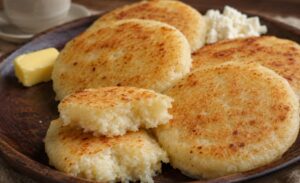
- Corn arepas
- Buñuelos
A Culinary Tradition
Masato is a fermented drink with many variations across Latin America. In Colombia, it is particularly associated with Cundinamarca, Boyacá, Santander, Tolima and Norte de Santander, where it is often paired with traditional snacks and baked treats.
Frequently Asked Questions
Let it ferment for 24 to 48 hours. After 24 hours, it will be sweeter, milder and fresher. After 48 hours, it will develop more tanginess and a stronger fermented aroma. In warm climates, check it earlier because fermentation can happen more quickly.
Natural fermentation can create a small amount of alcohol. The final amount depends on resting time, room temperature and the sugars available in the drink. For a milder version, refrigerate the masato after the first 24 hours instead of allowing it to ferment longer.
For the best quality, drink it within 3 days. Keep it in a clean, covered container in the refrigerator. Cold temperatures slow fermentation, but the drink can gradually become tangier over time.