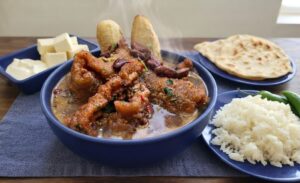
Baho is one of the most iconic dishes in Nicaraguan cuisine, so deeply rooted in everyday tradition that many Nicaraguans consider it, alongside gallo pinto, a strong contender for the country's national dish. It's built from salted beef, green plantains, ripe plantains, and cassava, all slow-steamed together inside plantain leaves, which gives the dish its distinctive aroma and moist, tender texture.
Making baho is something of a ritual, usually reserved for Sundays or special occasions, since it demands several hours of cooking and a pot large enough to hold every layer of ingredients. You'll find it sold early in the morning in the markets of Masaya and Granada, still wrapped in the very leaves it was cooked in.
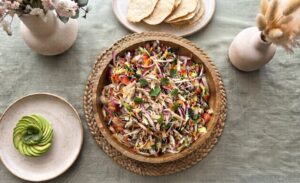
For many Nicaraguan families, gathering to eat baho on the weekend is also a way of keeping a generations-old tradition alive, almost always served alongside a crisp cabbage and tomato salad.
Print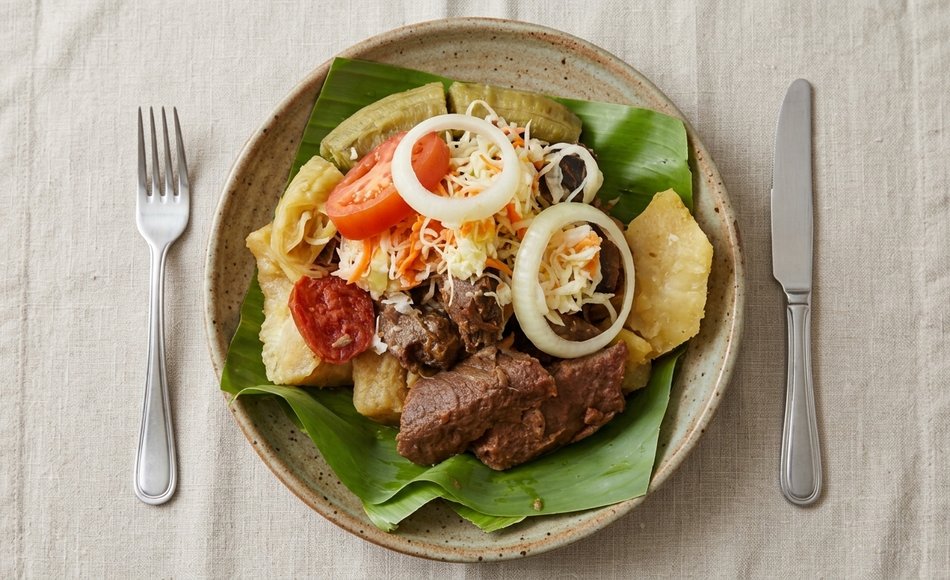
Nicaraguan Baho
- Prep Time: 40 minutes
- Cook Time: 7 hours
- Total Time: 9 hours 40 minutes
- Yield: 8 servings
- Category: Main Course
- Cuisine: Nicaraguan
Ingredients
- 1.5 kg of salted dried beef (cecina) (about 3 lb)
- 500 g of salted pork ribs (about 1 lb)
- 1.8 kg of green plantains, peeled and left whole (6 large plantains)
- 1.5 kg of ripe plantains, peeled and left whole (6 medium plantains)
- 1 kg of cassava (yuca), peeled and cut into large chunks (about 2 lb)
- 10 large plantain leaves, cleaned
- 450 g of ripe tomatoes, sliced (3 large tomatoes)
- 300 g of red bell peppers (chiltomas), sliced into strips (2 large bell peppers)
- 200 g of white onion, sliced (1 large onion)
- 250 ml of sour orange juice (1 cup)
- Salt, to taste
- Ground black pepper, to taste (optional)
- a small handful of fresh mint leaves, for serving (optional)
- Water for desalting the meat and creating steam
- Cabbage and tomato salad, for serving (optional)
Preparation
- Desalt the meat, soak the salted beef and salted pork ribs in cold water for at least 2 hours, changing the water once or twice, to pull out the excess salt; then drain and cut into large pieces.
- Prep the plantain leaves, pass each leaf quickly over an open flame or a hot griddle until it turns glossy and pliable, which keeps it from tearing when you use it to line the pot.
- Line the pot, cover the bottom and sides of a large, deep pot with overlapping plantain leaves, leaving enough leaf hanging over the edge to fold and seal the bundle later; set a rack or a few rounds of cassava in the bottom so nothing touches the water directly.
- Build the layers, arrange inside the lined pot a layer of cassava, a layer of whole peeled green plantains, a layer of whole peeled ripe plantains, the drained beef and pork ribs, and the sliced tomato, bell pepper, and onion; repeat the layers until everything is used, seasoning lightly with salt and pepper between layers.
- Add the liquid and seal the bundle, pour the sour orange juice over all the layers, add a little water if needed to keep up the steam, then fold the overhanging plantain leaves over the top to seal everything in and cover the pot tightly.
- Steam it low and slow, cook the baho over medium-low heat for 6 to 8 hours, checking now and then that there's always enough water in the bottom of the pot without it touching the food, until the beef is very tender and the plantains and cassava are soft.
- Serve hot, carefully peel back the plantain leaves, and plate portions of beef, green plantain, ripe plantain, and cassava together, served alongside a fresh cabbage and tomato salad.
Practical Tips
- If you can't find sour orange, substitute it with equal parts sweet orange juice and lime juice to get a similar tang.
- Check the water level in the pot every couple of hours without fully uncovering it, since baho cooks by steam and should never actually boil in its own liquid.
- Passing the plantain leaves briefly over an open flame before using them keeps them from tearing when you fold them and helps release their characteristic aroma.
- If the salted beef tastes very salty, taste a small piece after soaking before layering everything, so you can adjust the salt in the rest of the dish.
Traditional variations
- Some families prepare baho with beef only, leaving out the pork ribs, especially when they want a lighter version.
- Around Masaya, it's common to tuck in homemade chorizo or longaniza between the layers for a bolder flavor.
- A few versions add carrot or chayote among the vegetable layers, though the classic recipe sticks to just tomato, bell pepper, and onion.
Serving Suggestions
Baho is served hot, carefully unwrapped from the plantain leaf it cooked in, so each plate gets a generous portion of beef, green plantain, ripe plantain, and cassava.
It's traditionally paired with a fresh cabbage and tomato salad dressed with a bit of vinegar, which cuts through the richness of the meat and plantains.
Recommended sides
- Cabbage and tomato salad
- White rice
- Corn tortillas
- Lime wedges
Origin and Tradition
Baho's roots blend indigenous steam-cooking techniques using leaves with the beef introduced during the colonial era, giving rise to a distinctly mestizo Nicaraguan dish.
Its name comes from the way it's cooked 'a baño,' or steamed inside the pot, with the ingredients never touching the water directly, a technique that slowly tenderizes the meat over several hours.
Frequently Asked Questions
A Nicaraguan dish of salted beef, pork ribs, green plantain, ripe plantain, and cassava, slowly steamed inside banana leaves.
Yes: soak the dried beef and ribs in cold water for at least 2 hours, changing the water once or twice, before cutting them.
6 to 8 hours of steaming over medium-low heat, until the meat is very soft and the plantains and cassava are tender.
Replace it with equal parts sweet orange juice and lime juice.
A fresh cabbage and tomato salad, which balances the richness of the meat and plantain.