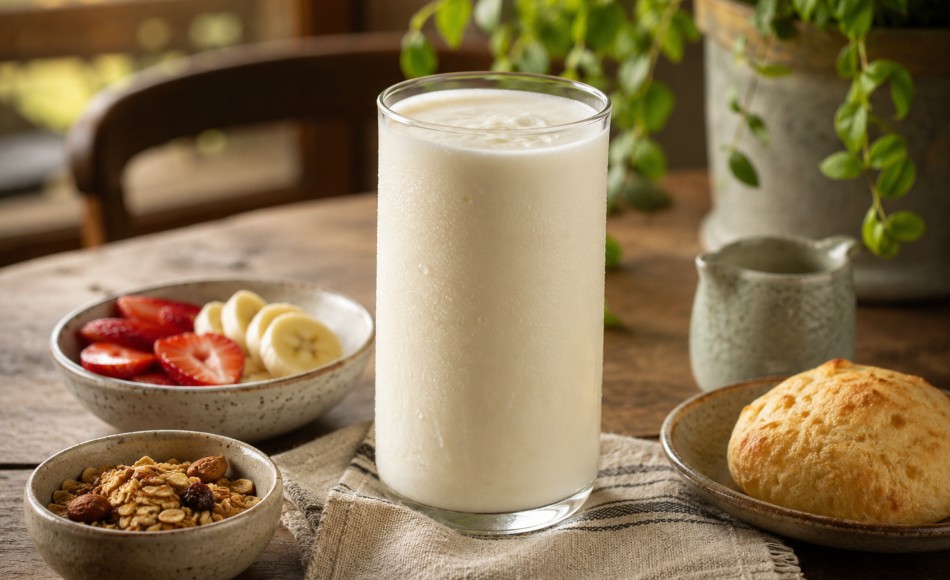
Homemade yogurt is a popular dairy drink in Colombia, especially for breakfast, lunchboxes, and afternoon snacks. It has a creamy texture, a mild tangy flavor, and is usually enjoyed cold on its own or with fruit, granola, bread, and cheese.
This traditional homemade method starts with whole milk and plain yogurt containing live cultures, which gently ferment the milk. Once chilled, you can sweeten it lightly for the smooth, pleasant flavor often preferred in Colombian homemade yogurt.
Print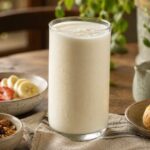
Colombian Yogurt
- Prep Time: 15 minutes
- Cook Time: 10 minutes
- Total Time: 12 hours 25 minutes
- Yield: 6
- Category: Beverage
- Cuisine: Colombian
Ingredients
- 1 l pasteurized whole milk (4 cups)
- 125 g plain unsweetened yogurt with live cultures (½ cup)
- 60 g granulated sugar (5 tablespoons)
- 5 ml vanilla extract (1 teaspoon), optional
Preparation
- Heat the milk, pour the milk into a clean saucepan and heat it over medium heat until it reaches 82 to 85 °C. Do not let it boil vigorously. Hold that temperature for 2 minutes to help create a thicker final texture.
- Cool the milk, remove the saucepan from the heat and let the milk cool to 40 to 43 °C. It should feel warm rather than hot, since excessive heat can damage the live cultures.
- Add the starter yogurt, whisk the plain yogurt with 120 ml warm milk (½ cup) until smooth. Pour that mixture back into the saucepan and stir gently until fully incorporated.
- Ferment the mixture, transfer the milk to a clean glass container, cover it, and let it rest in a warm place for 8 to 10 hours. It is ready when it has thickened slightly and smells fresh, milky, and pleasantly tangy.
- Sweeten and chill, add the sugar and vanilla, if using, then whisk until smooth. Refrigerate for at least 4 hours before serving so the yogurt becomes cold and fully set.
Chef’s Tips
- Use plain yogurt labeled with live and active cultures.
- Wash and dry all containers and utensils thoroughly before starting.
- Do not add the starter while the milk is still hot, since the cultures may not work properly.
- For thicker yogurt, let it chill for a few extra hours before serving.
- Save a small portion of fresh yogurt to use as a starter for another batch.
Traditional Variations
Many Colombian households flavor homemade yogurt with vanilla or increase the sugar slightly for a sweeter taste. It is also common to blend it with strawberries, blackberries, peaches, or mango after fermentation, creating drinkable fruit yogurts for snacks and lunchboxes.
How to Serve
Serve the yogurt cold in a glass, cup, or bowl. Pair it with fresh fruit, granola, oats, cheese bread, or almojábana for breakfast or an afternoon snack.
Recommended Pairings
- Granola.
- Strawberries, blackberries, or banana.
- Almojábana.
- Colombian cheese bread.
- Plain crackers.
- You can also enjoy it on its own as a cold drink.
A Culinary Fact
Yogurt gets its distinctive texture and flavor through milk fermentation by beneficial bacterial cultures. During this process, part of the lactose changes and the milk becomes tangier and thicker, creating the familiar consistency of yogurt.
In Colombia, homemade and commercial yogurts are common breakfast and lunchbox foods, available in plain, sweetened, and fruit-blended versions.
Frequently Asked Questions
Yes, but the result will be lighter and less creamy. Whole milk is the best choice for smooth, thick homemade yogurt. You can add powdered milk when using low-fat milk, although that slightly changes the traditional preparation.
It should smell fresh, milky, and mildly tangy. It should also look thicker than milk, although a small layer of clear whey may appear on top. Discard it without tasting if you see mold, unusual colors, or an unpleasant smell.
Store it covered in the refrigerator and consume it within 5 to 7 days. Refrigeration helps preserve its flavor and slows further fermentation. Stir gently before serving if you notice a little whey separation.