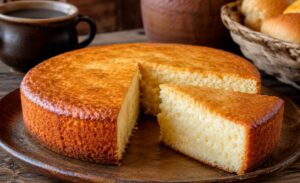

Bollo poloco, also known as sweet corn bollo or fresh-corn bollo, is a traditional food from the Córdoba and Sucre savanna regions on Colombia’s Caribbean coast. You make it with freshly ground tender corn, sugar, a little salt, and corn husks. The mixture cooks inside the husks until it becomes soft, moist, and naturally sweet.
It is closely associated with rural breakfasts, afternoon snacks, local markets, and home cooking. The recipe celebrates freshly harvested corn and preserves an Indigenous-style technique of using both the kernels and the husks of the ear of corn.
Print
Colombian Bollo Poloco
- Prep Time: 30 minutes
- Cook Time: 50 minutes
- Total Time: 1 hour 20 minutes
- Yield: 12
- Category: Main Course
- Cuisine: Colombian
Ingredients
- 12 large ears tender sweet corn, about 1.2 kg (with husks)
- 300 g granulated sugar (1 ½ cups)
- 3 g salt (½ teaspoon)
- 3 g baking soda (½ teaspoon)
- 1.5 liters water (6 cups), for cooking
Preparation
- Carefully remove the corn husks without tearing them, wash them thoroughly, and let them drain. Set aside the largest, most flexible husks for wrapping the bollos.
- Remove the kernels from the ears and grind them into a moist, even mixture. Keep all the liquid released by the corn because it helps the bollos stay tender and gives the mixture a better consistency.
- Sweeten the mixture, add the sugar, salt, and baking soda. Stir for several minutes until the sugar is evenly distributed and the corn mixture looks creamy, thick, and easy to scoop.
- Wrap the bollos, place about 90 g of mixture, or roughly 4 tablespoons, in the center of each corn husk. Fold in the sides, close the ends, and tie each bollo with thin strips of husk or kitchen string.
- Steam the bollos, line the bottom of a large pot with the remaining husks and place the wrapped bollos on top. Add the water without fully covering them, cover the pot, and cook over medium heat for 45 to 55 minutes, until the filling feels firm and pulls away easily from the husk.
- Carefully remove the bollos, let them rest for 10 minutes, and serve them warm. You can also enjoy them at room temperature.
Chef’s tips
- Use very tender, milky sweet corn for the best flavor and texture.
- Keep the natural corn liquid after grinding; it contains starch that helps the mixture set.
- Do not overfill the husks, or the bollos may open while cooking.
- Keep the heat at medium so the bollos cook evenly and the water does not evaporate too quickly.
Traditional variations
In Córdoba and Sucre, you may also hear this preparation called bollo dulce, bollo de maíz biche, or envuelto de mazorca. Bollo poloco is especially recognized for its sweet flavor and its use of tender corn, sugar, salt, and baking soda.
How to serve
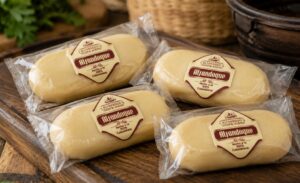
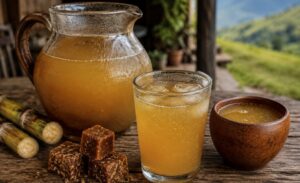
Serve bollo poloco warm, still wrapped in its husk, for breakfast, as an afternoon snack, or as a light supper. Traditionally, you can pair it with fresh Colombian costeño cheese, black coffee, hot chocolate, or aguapanela.
Recommended accompaniments
- Fresh costeño cheese
- Colombian black coffee
- Hot chocolate
- Hot aguapanela
- A small serving of costeño sour cream
A culinary curiosity
Bollo poloco is part of the food heritage of Colombia’s Caribbean savanna region. Families and small producers still prepare and sell it artisanally in local markets and rural communities, especially when fresh tender corn is in season.
Frequently Asked Questions
Use tender fresh sweet corn, often called maíz nuevo, maíz biche, or choclo in different regions. The kernels should be soft, juicy, and milky. Dried corn will not create the same moist texture or naturally sweet flavor that defines traditional bollo poloco.
The most traditional simple version does not require cheese in the corn mixture. Its main flavor comes from tender corn and sugar. However, people often serve it with fresh costeño cheese, whose salty taste creates a delicious contrast with the sweetness of the bollo.
Store cooked bollos in an airtight container in the refrigerator for up to 2 days. Reheat them gently in a steamer or in a covered pot with a small amount of water. Avoid overheating them, since excessive heat can dry out the tender corn filling.