Chickpea burgers, known in Argentina as hamburguesas de garbanzo, have become one of the most popular vegetarian options in a country famous for its beef-heavy diet. They’re made by mashing cooked chickpeas with onion, garlic, herbs, and spices into a mixture that’s shaped into patties and pan-fried until golden.
This home-style dish is common in households with vegetarian or vegan members, in university cafeterias, and in the growing number of meat-free restaurants in cities like Buenos Aires, La Plata, and Córdoba. Cooks appreciate it for being budget-friendly, easy to stretch into several servings, and simple to adjust based on whatever vegetables are on hand.
Print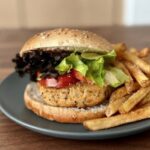
Chickpea Burgers
- Prep Time: 20
- Resting time: 15
- Cook Time: 15
- Total Time: 50
- Yield: 4 servings
- Category: Main Dish
- Cuisine: Argentine
Ingredients
- 400 g of cooked chickpeas, drained (2 cups)
- 100 g of finely chopped onion (1 medium onion)
- 2 cloves of chopped garlic
- 30 g of chopped fresh parsley (a small handful)
- 50 g of grated carrot (1 small carrot) (optional)
- 60 g of breadcrumbs (1/2 cup)
- 1 of egg
- 5 g of ground cumin (1 teaspoon)
- 5 g of sweet paprika (1 teaspoon)
- 30 ml of neutral oil, for cooking (2 tablespoons)
- to taste of salt
- to taste of black pepper
Instructions
- Mash the chickpeas, pulse them in a food processor or mash them with a fork until you get a thick, slightly chunky paste rather than a smooth puree; a bit of texture keeps the patties from turning mushy.
- Mix in the vegetables and seasonings, in a large bowl combine the mashed chickpeas with the onion, garlic, parsley, grated carrot if using, cumin, paprika, salt, and pepper; add the egg and breadcrumbs gradually until the mixture holds together when pressed.
- Chill the mixture, cover the bowl and refrigerate for 15 to 20 minutes; this short rest lets the flavors settle and helps the patties hold their shape once they hit the pan.
- Shape and cook the patties, with damp hands divide the mixture into 8 portions and form them into patties about 2 cm (¾ inch) thick; cook them in a hot, oiled skillet for 4 to 5 minutes per side, until golden brown and firm to the touch.
- Serve hot, enjoy them straight from the skillet in a bun or alongside a fresh salad, however you like them best.
Practical Tips
- If the mixture feels too wet, add a bit more breadcrumbs before shaping the patties.
- Bake them at 400°F (200°C) for about 20 minutes, flipping halfway through, for a lighter version with less oil.
- Freeze the raw patties separated by parchment paper, ready to cook straight from the freezer.
- Avoid over-processing the chickpeas: a too-smooth puree makes the patties dense instead of pleasantly textured.
Serving Suggestions
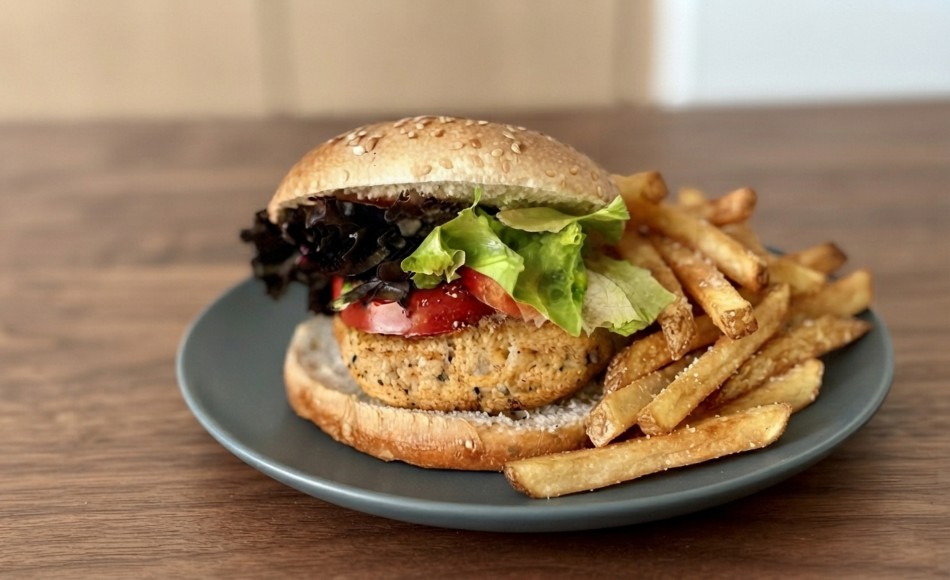
Chickpea burgers are usually served on a toasted bun with lettuce, sliced tomato, and a mild sauce like mayonnaise or homemade aioli.
They’re also popular as a main dish on their own, paired with a fresh salad or grilled vegetables instead of bread.
Recommended sides
- Homemade hamburger buns
- Lettuce, tomato, and onion salad
- French fries or baked potatoes
- Salsa criolla (Argentine tomato and onion relish)
Fun Fact
Chickpeas arrived in Argentina with Spanish and Italian immigrants and became a staple in traditional stews. Turning them into burgers is a more recent idea, tied to the rise of vegetarianism and veganism over the past two decades, as families looked for homemade meat alternatives instead of relying on store-bought products.
Frequently Asked Questions
Chickpea Burgers is a traditional recipe made with simple ingredients and a homemade cooking method that preserves its authentic flavor.
Following the recipe step by step, the total time will depend on how many servings you make and the cooking times listed.
It goes well with classic accompaniments and typical beverages, depending on the occasion and family tradition.
In most cases yes: stored in a sealed container in the refrigerator, it stays good for the next day, as long as its freshness is checked before serving.
Yes, small variations are fine based on personal preference, as long as the key ingredients that define its traditional flavor are kept.