
Polenta with tuco sauce and cheese is one of Argentina’s most beloved home-cooked dishes, inherited from the wave of Italian immigrants who arrived in the country between the late 19th and early 20th centuries. Families from Piedmont and Liguria who settled in Buenos Aires, Santa Fe, and Córdoba brought this cornmeal-based dish with them, and over time it became an absolute classic of the Argentine table.
Slow-cooked until creamy and topped with a generous helping of tuco sauce and grated cheese, this dish still takes center stage at Sunday family lunches across the country. More than just a meal, polenta represents a moment of togetherness: the whole family gathers around the pot and the shared platter, keeping a generations-old tradition alive.
Print
Argentine Polenta with Tuco Sauce and Cheese
- Prep Time: 20 minutes
- Cook Time: 1 hour
- Total Time: 1 hour 20 minutes
- Yield: 6 servings
- Category: Main Course
- Cuisine: Argentine
Ingredients
- 60 ml of olive oil (4 tablespoons)
- 200 g of chopped onion (1 large onion)
- 2 cloves of minced garlic (2 garlic cloves)
- 500 g of ground beef (about 1 pound)
- 800 g of crushed tomatoes (one 28 oz can)
- 30 g of tomato paste (2 tablespoons)
- 100 ml of red wine (1/2 cup) (optional)
- 2 pieces of bay leaves (2 leaves)
- 5 g of dried oregano (1 teaspoon)
- Salt (for the sauce), to taste
- Black pepper, to taste
- 2 liters of water (8 cups)
- 15 g of fine salt (for the polenta) (1 tablespoon)
- 500 g of cornmeal for polenta (2 1/2 cups)
- 50 g of butter (3 tablespoons)
- 150 g of grated cheese (reggianito or Pecorino Romano) (1 1/2 cups (Parmesan works as a substitute))
Preparation
- Build the sofrito, heat the olive oil in a large pot over medium heat and cook the chopped onion and garlic for about 5 minutes, until soft and fragrant.
- Brown the beef, add the ground beef to the pot and cook, breaking it up with a wooden spoon, until it loses its pink color and turns lightly golden, about 8 minutes.
- Build the tuco sauce, stir in the crushed tomatoes, tomato paste, red wine, bay leaves, and oregano. Season with salt and pepper, lower the heat, and simmer for 45 minutes, stirring occasionally, until the sauce is thick and concentrated.
- Bring the water to a boil, place the water and salt in a large pot and bring to a rolling boil before adding the cornmeal.
- Cook the polenta, pour in the cornmeal in a steady stream while whisking constantly to prevent lumps, then keep cooking over medium-low heat for 10 to 15 minutes, stirring often, until it thickens and pulls away from the sides of the pot.
- Stir in the butter, remove the polenta from the heat and mix in the butter until fully melted and the polenta turns creamy and glossy.
- Serve topped with cheese, spoon the hot polenta onto a large platter or individual plates, cover generously with the hot tuco sauce, and sprinkle with plenty of grated cheese before bringing it to the table.
Kitchen Tricks
- Whisk the polenta constantly during the first few minutes to prevent lumps from forming; a hand whisk works better than a spoon.
- If the tuco turns out too thin, simmer it uncovered for the last 10 minutes so it reduces and thickens.
- Make the tuco a day ahead: resting overnight in the fridge deepens the flavor and makes the sauce even richer.
- For a more budget-friendly version, swap the ground beef for sliced Argentine-style sausage (longaniza or chorizo parrillero).
Traditional variations
- Some families bake leftover polenta the next day as “polenta a la pizza,” topped with tomato sauce, mozzarella, and oregano.
- In northern Argentina, polenta is often paired with stews like locro instead of tuco.
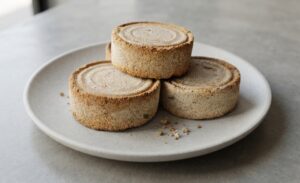
- Leftover polenta is commonly sliced once cold and pan-fried until golden, a traditional way to use up leftovers the next day.
Traditional Serving
Polenta is traditionally served piping hot right after cooking, spooned onto a large communal platter placed at the center of the table so the whole family can share it — a custom rooted in Italian-Argentine households, especially at Sunday lunches. It’s typically enjoyed with a glass of red wine.
Recommended sides
- Crusty homemade bread
- Red wine
- Green salad
A Bit of History
Polenta arrived in Argentina with the wave of Italian immigrants, particularly from Piedmont and Liguria, who settled across Buenos Aires, Santa Fe, and Córdoba between the late 19th and early 20th centuries. Cornmeal was cheap and filling, making it a staple in immigrant households, and it gradually became a beloved part of Argentine home cooking.
Older generations still remember “domingo de polenta,” a family tradition where the whole household gathered to eat straight from a wooden board dusted with polenta, sauce, and cheese, each person eating from their own section with a spoon — a custom that speaks to the dish’s roots as a shared, communal meal.
Frequently Asked Questions
Argentine Polenta with Tuco Sauce and Cheese is a traditional recipe made with simple ingredients and a homemade cooking method that preserves its authentic flavor.
Preparation time is usually short if you follow the steps in order; the exact duration depends on the quantities and serving size.
It pairs well with traditional side dishes and typical drinks, depending on personal taste and local custom.
Yes, it generally keeps well in the fridge in a covered container and can be enjoyed the next day, as long as you check it is still fresh.
Yes, some ingredients can be adjusted to taste, though it is best to keep the main ones to preserve the dish's characteristic flavor.