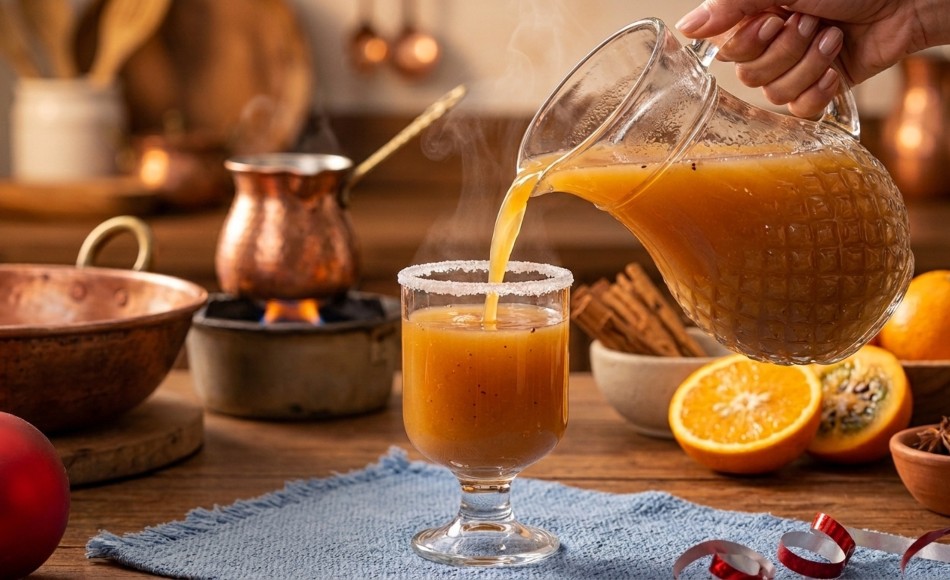
When Quito’s festivities arrive and the Andean nights become colder, few traditions are as beloved as sharing a hot cup of canelazo with friends and family. More than just a drink, canelazo is an essential part of Ecuadorian highland culture and one of the most recognizable symbols of Quito’s December celebrations.
The beverage combines some of the Andes’ most traditional ingredients: panela, cinnamon, naranjilla, and sugarcane liquor. Together they create a warming drink with a perfect balance of sweetness, citrus acidity, and aromatic spice.
Although canelazo is enjoyed throughout Ecuador’s highlands, it holds a special place in Quito. It is commonly served during street festivals, neighborhood celebrations, traditional party buses known as chivas, and family gatherings during the city’s annual festivities. For many locals, the aroma of hot canelazo instantly evokes the spirit of Quito’s celebrations.
Print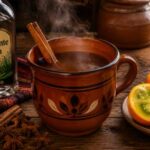
Ecuadorian Canelazo
- Prep Time: 5 minutes
- Cook Time: 20 minutes
- Total Time: 25 minutes
- Yield: 8
- Category: Beverage
- Cuisine: Ecuadorian
Ingredients
- 1 liter water (4 cups)
- 500 g ripe naranjilla (about 6 medium fruits)
- 250 g grated panela (1¼ cups)
- 4 cinnamon sticks (20 g)
- 250 ml sugarcane liquor (1 cup)
Preparation
- Wash the naranjillas, cut them in half, and blend them with 500 ml of water until smooth. Strain the mixture to remove the seeds and reserve the liquid.
- Place the remaining water and cinnamon sticks in a large pot and simmer for 15 minutes so the cinnamon fully infuses the liquid.
- Add the grated panela and stir until completely dissolved. Incorporate the strained naranjilla mixture and cook for another 10 minutes without allowing the mixture to boil vigorously.
- Remove the pot from the heat, let it rest for 2 minutes, and stir in the sugarcane liquor until fully incorporated.
- Serve the canelazo piping hot in mugs or traditional ceramic cups.
Chef’s Tips
- Use fully ripe naranjillas for the best traditional flavor.
- Avoid boiling the liquor to preserve its aroma.
- Strain the drink a second time if you prefer a smoother texture.
- Prepare it shortly before serving for the freshest taste.
Traditional Variations
- Some regions add cloves along with the cinnamon.
- Alcohol-free versions are common for family gatherings.
- Certain rural recipes use extra naranjilla for a stronger citrus flavor.
Traditional Serving Style
Canelazo is traditionally served very hot in ceramic mugs. During Quito’s festivities it is commonly enjoyed alongside community celebrations, party buses, and family gatherings. It pairs especially well with traditional Ecuadorian pastries and fried treats.
Did You Know?
Canelazo is one of the most iconic beverages of the Ecuadorian Andes. Its popularity became especially strong in Quito, where it evolved into a symbol of community celebrations and festive gatherings.
The combination of cinnamon, panela, naranjilla, and sugarcane liquor reflects centuries of culinary traditions that helped shape Ecuadorian gastronomy.
Frequently Asked Questions
Yes. In the most traditional Quito-style version, naranjilla provides the signature tartness that balances the sweetness of panela and distinguishes canelazo from other hot spiced drinks.
Sugarcane liquor is the traditional choice because its flavor complements the cinnamon and naranjilla without overpowering them.
Absolutely. Many Ecuadorian families prepare an alcohol-free version that preserves the traditional flavors while making it suitable for everyone.
For generations, it has been one of the most popular drinks served during Quito's December celebrations, neighborhood festivals, and traditional chiva parties, making it a cultural symbol of the city's festive season.