
Patay is a dense, naturally sweet bread made from ground algarroba flour, one of the oldest foods of northern Argentina. It has been prepared since long before Spanish colonization in the Gran Chaco and northwestern regions — especially Santiago del Estero, Chaco, and Formosa — where Indigenous communities such as the Wichí, Qom, and Mocoví, along with rural criollo families, made it from the pods of the white algarrobo tree (Prosopis alba, often translated as “white carob”).
The algarrobo tree is considered the “tree of life” of the Chaco forest, providing shade, wood, and food for both families and livestock. Patay is traditionally made during the algarroba harvest, between December and January, and stored for the rest of the year as an energy-dense reserve, since it keeps for weeks without refrigeration once dried.
Print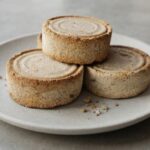
Argentine Patay Bread
- Prep Time: 30 minutes
- Cook Time: 15 minutes
- Total Time: 1 hour 45 minutes
- Yield: 8 servings
- Category: Traditional Sweet
- Cuisine: Argentina (Northwest / Gran Chaco)
Ingredients
- 500 g of white carob (algarroba) flour (about 4 cups)
- 120 ml of warm water (about 1/2 cup)
Preparation
- Grind the carob pods, if you have dried white algarroba pods, pound them in a wooden mortar until you get a fine flour; if you can’t find the pods, use ready-made carob flour instead.
- Sift the flour, pass the flour through a fine sieve to remove the hard seeds and fibers, leaving only the soft powder you’ll use for the patay.
- Moisten and knead, gradually add the warm water to the sifted flour and work the mixture with your hands until you get a compact dough that holds together without crumbling.
- Shape and press, pack the dough into a dampened wooden mold or shape it by hand into small rectangular loaves, pressing firmly to compact it, then carefully unmold.
- Toast or dry the patay, place the loaves on a griddle over very low heat until the surface feels firm and dry, or leave them in the sun for one or two days for the traditional method; then remove them and let them cool completely before slicing into portions.
Cooking Tips
- The riper and sweeter the algarroba, the less water you’ll need, since its natural sugar helps bind the dough.
- If using a wooden mold, dampen the walls before filling it so the patay unmolds without breaking.
- Store the fully dried patay wrapped in a cloth in a cool, well-ventilated spot, and it will keep for several weeks.
Traditional variations
- Black carob patay: in some areas it’s made with black algarroba pods (Prosopis nigra), giving a more intense, less sweet flavor than the classic white carob version.
- Bolanchao: a variation typical of Santiago del Estero and the Chaco region where carob flour is mixed with toasted corn flour.
Traditional Serving
Patay is eaten as is, cut into pieces or slices, as a rustic snack or afternoon treat. It’s also common to crumble it into hot or cold milk, almost like a cereal, or add it to añapa, the refreshing drink also made from algarroba.
Recommended sides
- Cold or hot milk, for crumbling the patay into
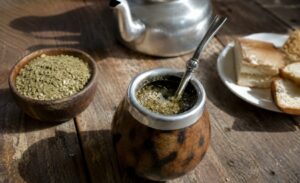
- Mate, the classic afternoon drink of northern Argentina
- Fresh farm cheese, as a salty contrast in some households
Origin and Tradition
The word “patay” comes from Quichua and names this carob bread that peoples of the Gran Chaco prepared long before the Spanish arrived. Its ability to stay edible for weeks without spoiling made it an essential food for herders and rural workers spending long stretches of time in the forest.
The same algarroba fruit is also used to make other traditional preparations, such as añapa, a sweet refreshing drink, and aloja, its fermented version. All three are part of the same food culture built around the algarrobo tree in northern Argentina.
Frequently Asked Questions
Patay (Traditional Argentine Carob Bread) is a traditional recipe made with simple ingredients and a homemade cooking method that preserves its authentic flavor.
Preparation time is usually short if you follow the steps in order; the exact duration depends on the quantities and serving size.
It pairs well with traditional side dishes and typical drinks, depending on personal taste and local custom.
Yes, it generally keeps well in the fridge in a covered container and can be enjoyed the next day, as long as you check it is still fresh.
Yes, some ingredients can be adjusted to taste, though it is best to keep the main ones to preserve the dish's characteristic flavor.