Patorrillo is one of the most emblematic offal stews of La Rioja, Spain, made from suckling lamb's trotters and tripe that are first boiled, then slow-cooked in a rich sofrito of chorizo, cured pork belly, and dried red pepper pulp. It's a true nose-to-tail dish, born from the shepherding tradition of using every part of the lechazo (milk-fed lamb).
It's a stew that splits opinion sharply: those who grew up eating it consider it a genuine delicacy, while diners unfamiliar with offal cooking tend to be more hesitant to try it. It's commonly served at family gatherings, traditional slaughter-day meals ("matanzas"), and local celebrations across the region.
Print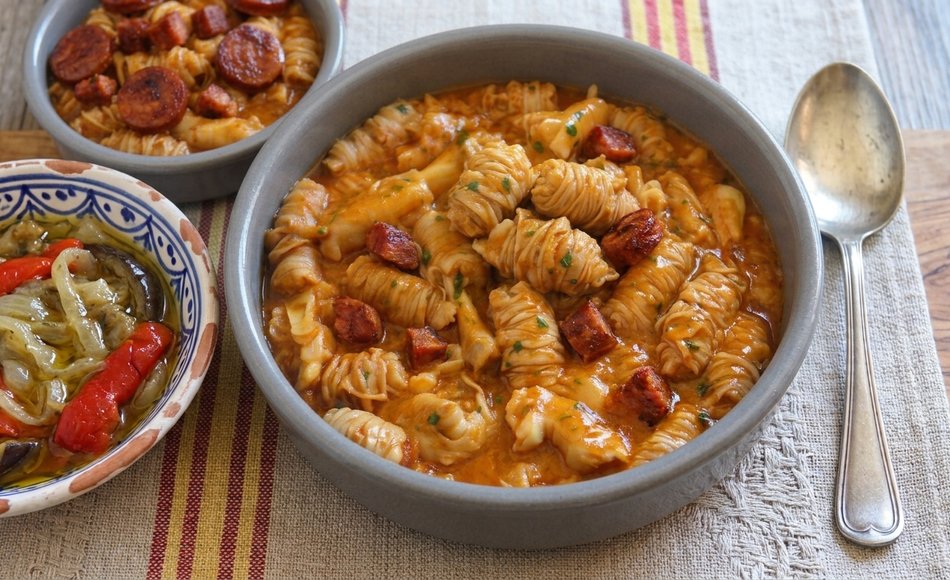
Patorrillo Riojano (Spanish Lamb Tripe and Trotter Stew)
- Prep Time: 40 minutes
- Cook Time: 1 hour 45 minutes
- Total Time: 2 hours 25 minutes
- Yield: 5 servings
- Category: Main Course
- Cuisine: Riojan / Spanish
Ingredients
- 1 kg of lamb trotters (about 8-10 trotters)
- 500 g of lamb tripe
- 200 g of cured chorizo (2 medium chorizo links)
- 150 g of cured pork belly or bacon (one thick slice)
- 100 g of cubed Serrano ham (about 1 cup) (optional)
- 200 g of chopped onion (1 large onion)
- 4 cloves of garlic, chopped (4 garlic cloves)
- 2 dried choricero or ñora peppers, soaked, pulp scraped out
- 300 g of grated ripe tomato (2 tomatoes)
- 1 dried red chili (guindilla or cayenne) (optional)
- 2 bay leaves
- 1 tsp of ground cumin
- 4 tbsp of extra virgin olive oil
- 1 tbsp of all-purpose flour
- Salt, to taste
- Black pepper, to taste
- Water, coarse salt, and a splash of vinegar for cleaning and cooking
Preparation
- Clean the tripe and trotters, rinse the tripe in a bowl of clean cold water, changing it until the tripe is white and without strong running water to avoid splashing; rub it with coarse salt and a splash of vinegar (a traditional cleaning step that helps with the odor, but does not disinfect) and rinse again in the bowl. Then wash the utensils and surfaces that touched the raw offal; singe and scrape the trotters well to remove any remaining hair.
- Cook the pieces separately, place the trotters in a pot with water, salt, and a bay leaf and cook for about 25 minutes; in another pot, cook the tripe (whole or tied into the traditional bundles) for about 40 minutes until both are tender, then strain and reserve the cooking broth.
- Build the sofrito, heat the olive oil in a wide pot or clay casserole and gently brown the onion and garlic; once translucent, add the pork belly, ham, and chopped chorizo and cook for a few minutes until they release their fat.
- Add the peppers and tomato, stir in the choricero pepper pulp, grated tomato, cumin, and chili, and cook over medium-low heat, stirring often, until you get a thick, well-blended sofrito.
- Combine and let it simmer, add the cooked trotters and tripe to the pot, sprinkle in the flour and stir to incorporate, pour in enough reserved broth to cover, and simmer over low heat for 30 to 40 minutes, stirring occasionally so it doesn't stick.
- Adjust and serve, taste and adjust the salt and pepper, let the stew rest off the heat for a few minutes so it thickens slightly, then serve it piping hot straight from the clay pot.
Practical Tips
- Cleaning the tripe thoroughly is the most important step: the whiter it gets before cooking, the milder the final stew will taste.
- If you can't find choricero peppers, substitute two tablespoons of ñora pepper pulp without losing the dish's character.
- Patorrillo often tastes even better the next day, once the flavors have settled; reheat it gently, adding a bit of broth if it has thickened too much.
- Ask your butcher to pre-singe the trotters and clean the tripe for you — in La Rioja, it's common to find them sold ready to cook.
Traditional variations
- When the tripe bundle is prepared with its fat left on, it's called "gordillas"; when made with large-intestine tripe instead, it's known as "cagurrieros."
- In some Riojan households, suckling kid goat replaces suckling lamb, following the same cleaning and cooking process.
- Some families add a splash of red Rioja wine to the sofrito for an extra layer of flavor.
Traditional Way to Serve
Patorrillo is served piping hot, straight from the clay pot it was cooked in, with crusty bread on the side for dipping into the sauce. It's a dish tied to family meals and local celebrations in La Rioja, where every part of the lechazo was traditionally put to use.
Recommended sides
- Crusty rustic bread for dipping into the sauce
- Red Rioja wine
- Boiled potatoes or mashed potatoes, in some households
Origin and Tradition
Patorrillo is one of La Rioja's most representative offal dishes, rooted in the shepherding tradition of wasting no part of the lechazo, an animal central to the region's economy and cuisine for centuries.
Its name changes depending on which part of the tripe is used: "gordillas" when the fat of the abdominal bundle is kept, and "cagurrieros" when large-intestine tripe is used instead — a distinction still honored in traditional Riojan butcher shops today.
Frequently Asked Questions
The trotters cook for about 25 minutes and the tripe for about 40 minutes, each in its own pot, until both are tender.
It's sprinkled over the already-cooked trotters and tripe and stirred in before adding the broth, which helps thicken the sauce.
No, both are marked as optional in the ingredient list, so the stew can be made without them.
Some of the broth reserved from cooking the trotters and tripe is poured in until it covers the mixture.
It should rest off the heat for a few minutes so it thickens slightly before serving it piping hot.