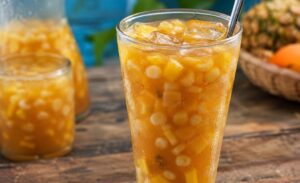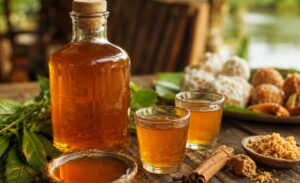
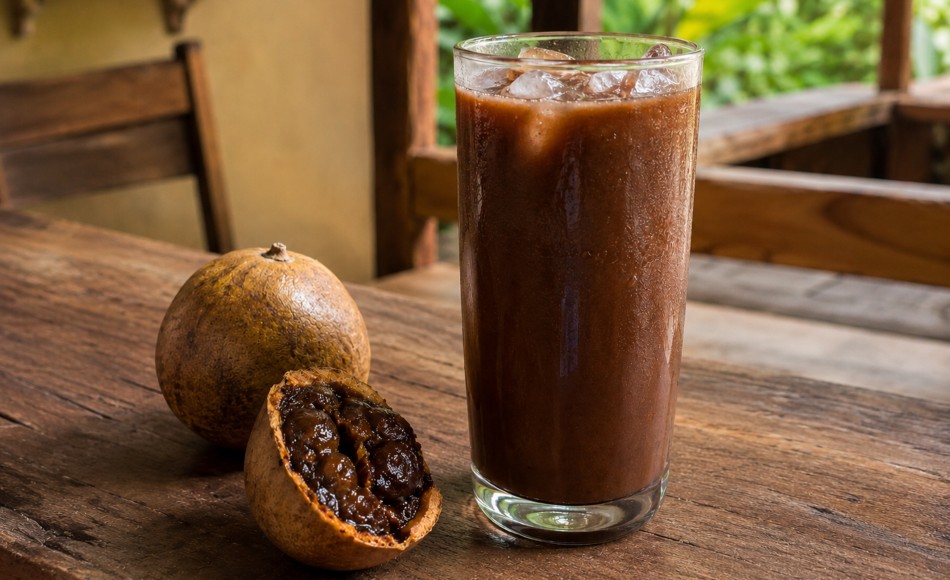
Borojó juice is a traditional drink from Colombia’s Pacific region, especially associated with Chocó and the humid areas where this fruit grows. Borojó has a thick, dark pulp with a bold, tangy flavor, and it is commonly blended with cold water and panela or sugar for a smooth, refreshing drink.
In Colombia, you may find it in market stalls, juice shops, and family kitchens along the Pacific coast. While some versions include milk, egg, or spices, the most straightforward traditional preparation highlights ripe borojó pulp, water, and a sweetener that balances the fruit’s natural acidity.
Print
Colombian Borojó Juice
- Prep Time: 10 minutes
- Total Time: 10 minutes
- Yield: 4
- Category: Beverage
- Cuisine: Colombian
Ingredients
- 250 g ripe borojó pulp (about 1 large borojó fruit)
- 600 ml cold water (2 ½ cups)
- 60 g grated panela (⅓ cup) or 50 g granulated sugar (¼ cup)
- 150 g ice cubes (1 cup)
Preparation
- Scoop out the pulp, wash the borojó, cut it in half, and remove the pulp with a spoon. Discard the peel and remove the largest seeds if you prefer a smoother drink.
- Blend the drink, add the borojó pulp, cold water, and grated panela to a blender. Blend for 1 to 2 minutes, until the mixture is smooth, thick, and the panela has dissolved.
- Adjust the consistency, taste the juice and add a little more water for a lighter texture or more panela if the fruit tastes especially tart. Blend again for a few seconds.
- Serve chilled, add the ice to serving glasses and pour in the borojó juice immediately so it stays fresh and creamy.
Chef’s Tips
- Choose fully ripe borojó with soft, dark, fragrant pulp.
- Grate the panela before blending so it dissolves more easily.
- Drink it right after blending because the pulp naturally thickens as it sits.
- Strain the juice after blending if you want to remove seeds or achieve a silkier texture.
Traditional Variations
In some Colombian homes and juice shops, part of the water is replaced with milk for a richer, creamier drink. Other popular local variations may include egg, cinnamon, or granulated kola, particularly in homemade Pacific-region preparations.
How to Serve
Serve borojó juice cold in a tall glass, immediately after blending. It is often enjoyed as a refreshing drink in the morning or afternoon, or alongside simple snacks from Colombia’s Pacific cuisine.
Recommended Pairings
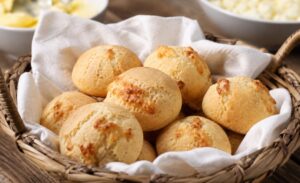
- Colombian cheese bread or pandebono.
- Colombian-style empanadas.
- Cheese arepas.
- You can also enjoy it on its own as a refreshing fruit drink.
A Culinary Fact
Borojó is native to the Chocó biogeographic region, and its name has roots in the Emberá language. Its dense pulp is used not only for juice, but also for jams, sweets, wines, and other regional artisanal products.
Frequently Asked Questions
It's a refreshing drink made by blending ripe borojó pulp with cold water and sweetening it with panela or sugar, popular along Colombia's Pacific Coast where the fruit grows. Unlike thicker milk-based borojó preparations, this version is lighter and more drink-like.
Borojó has a strong, dense, slightly tart flavor reminiscent of a mix of tamarind and ripe banana, which mellows out once blended with water and sweetened, resulting in a tangy, refreshing beverage rather than an overpowering one.
No, a batido is typically blended with milk for a thicker, creamier drink, while this juice version uses water, making it lighter and more suited as a refreshing beverage rather than a filling shake.