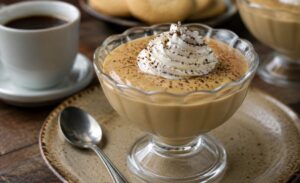
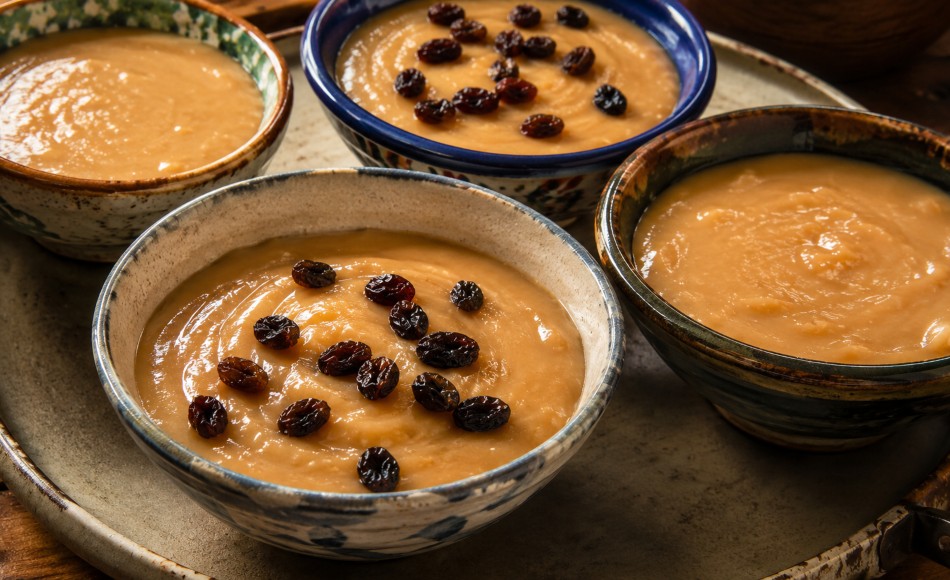
Colombian Valle del Cauca manjar blanco is one of the best-loved traditional sweets from Colombia’s Valle del Cauca region. It is slowly cooked with whole milk, rice, and sugar until it becomes a thick, glossy, light caramel-colored dessert with a smooth yet subtly grainy texture.
It is especially associated with Christmas and family gatherings, when it is often served in totumas, traditional bowls made from dried calabash fruit. Its slow preparation reflects the region’s long-standing homemade confectionery tradition.
Print
Colombian Manjar Blanco
- Prep Time: 8 hours
- Cook Time: 3 hours
- Total Time: 11 hours
- Yield: 8
- Category: Dessert
- Cuisine: Colombian
Ingredients
Nutrition
- Calories: 360
Ingredients
- 2 liters whole milk (8½ cups)
- 75 g white rice (⅓ cup)
- 450 g granulated sugar (2 cups)
Preparation
- Soak the rice, place the rice in a bowl, cover it with cold water, and let it soak for 8 hours or overnight. Drain it thoroughly before using it so the dessert keeps its creamy texture.
- Blend the base, blend the soaked rice with 250 ml of milk (1 cup) until the mixture is as smooth as possible. This rice mixture will naturally thicken the dessert as it cooks.
- Cook it slowly, pour the rice mixture into a large heavy-bottomed pot with the remaining milk. Cook over medium-low heat, stirring constantly with a wooden spoon so the milk does not stick or scorch on the bottom.
- Add the sugar, once the milk is hot and the mixture begins to thicken, add the sugar gradually. Keep cooking and stirring for 2½ to 3 hours, until the dessert has reduced, turned light beige, and begins to pull away slightly from the bottom of the pot.
- Cool and serve, remove the pot from the heat when the manjar blanco is thick and creamy. Divide it among small bowls, cups, or dessert glasses, then let it cool at room temperature before refrigerating.
Chef’s tips
- Use a wide, heavy-bottomed pot so the milk reduces evenly.
- Stir often, especially during the final hour, when the milk and sugar become more concentrated.
- Do not increase the heat to shorten the cooking time; slow cooking creates the traditional flavor.
- The dessert thickens further as it cools, so remove it from the heat while it is still slightly looser than your final desired consistency.
Traditional variations
Some Valle del Cauca families serve manjar blanco topped with raisins or stir them in near the end of cooking. Other traditional versions replace part of the white sugar with panela, an unrefined cane sugar that gives the dessert a darker color and deeper cane flavor.
How to serve it
Serve manjar blanco chilled or at room temperature in small totumas, bowls, or dessert cups. It is commonly enjoyed during Colombia’s holiday season alongside natilla, buñuelos, hojuelas, and other traditional Christmas sweets.
Recommended pairings
- Colombian natilla
- Buñuelos
- Hojuelas
- Figs with arequipe
- Black coffee or hot chocolate
A little history
Unlike many Latin American milk-based sweets, Valle del Cauca manjar blanco contains rice, which gives it its distinctive thickness. The result is creamy and rich, with a delicate graininess that makes it different from regular dulce de leche.
In Valle del Cauca, it is part of a cherished repertoire of traditional sweets and remains closely associated with holiday celebrations and family cooking.
Frequently Asked Questions
Store it in a clean, tightly covered container in the refrigerator for 5 to 7 days. Avoid leaving it at room temperature for long periods, especially in warm weather. Use a clean spoon each time you serve it to help preserve its flavor and texture.
It likely needs more cooking time. The mixture must slowly reduce until it becomes thick and creamy. Keep in mind that it will firm up as it cools, so take it off the heat when it is still slightly softer than the consistency you want to serve.
Yes. Rice flour is a practical substitute for soaked and blended rice. However, the traditional Valle del Cauca version is usually made with soaked white rice, which gives the finished dessert its more homemade and characteristic texture.